Creedence Clearwater Revival - Proud Mary (Live At The Royal Albert Hall)
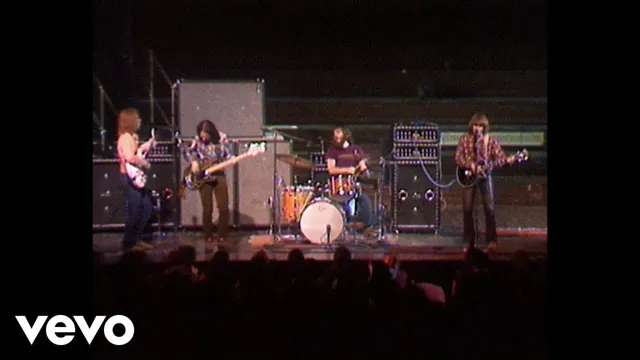
Open on YouTubeCCRVEVO
MUSIC JOURNAL
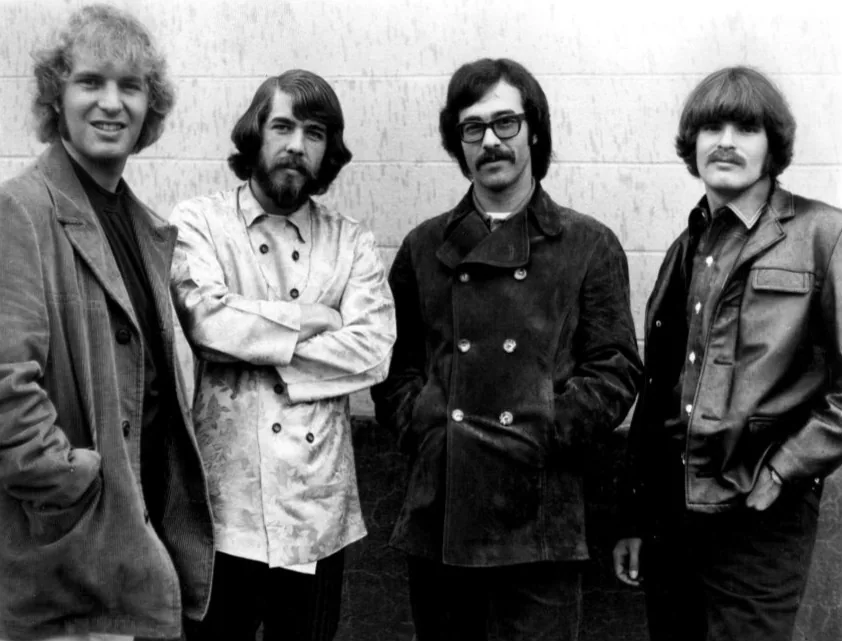
Creedence Clearwater Revival adopted that name in California in 1967, after earlier years as the Blue Velvets and the Golliwogs.
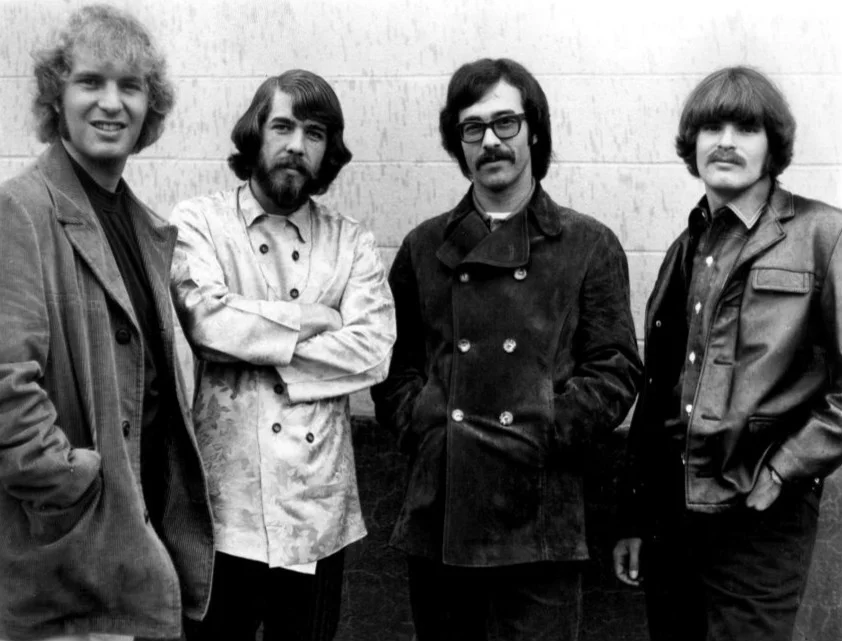
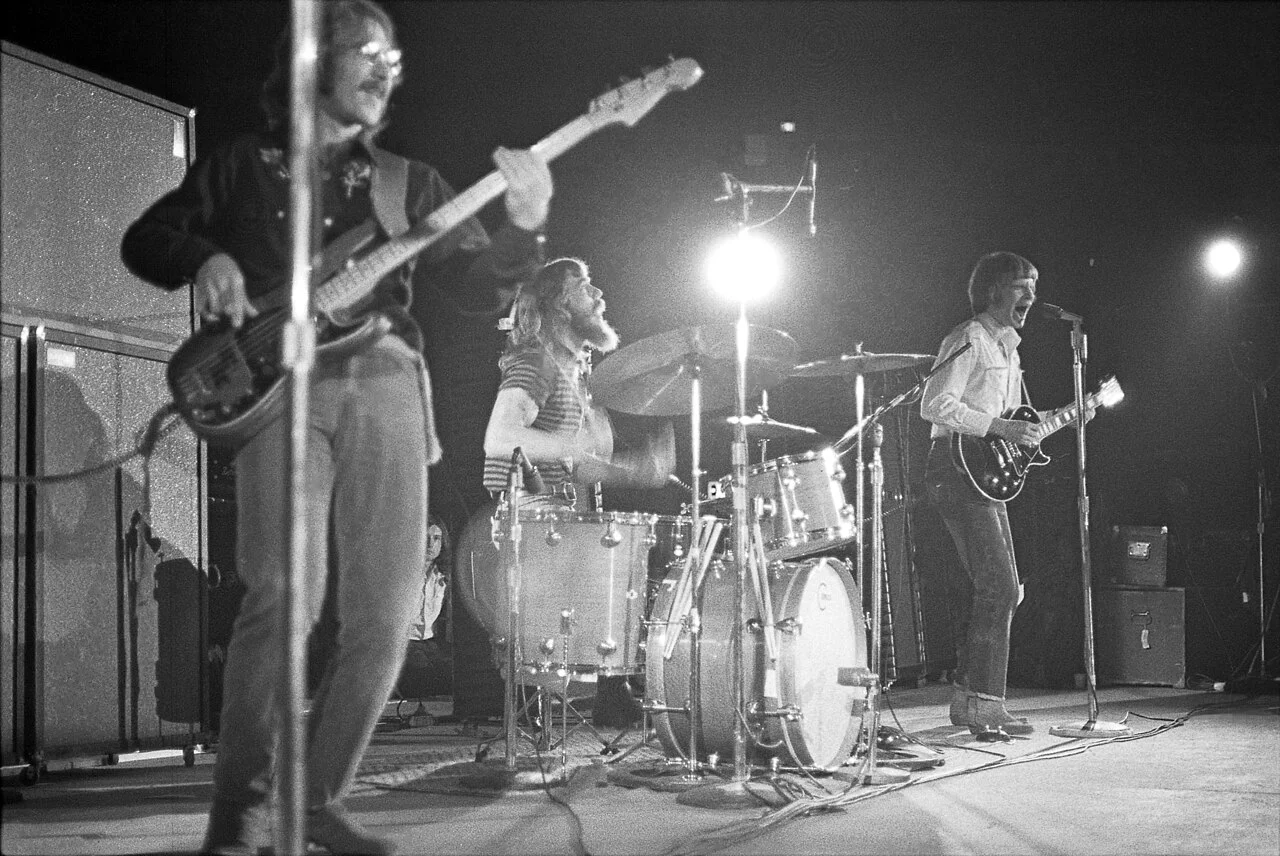
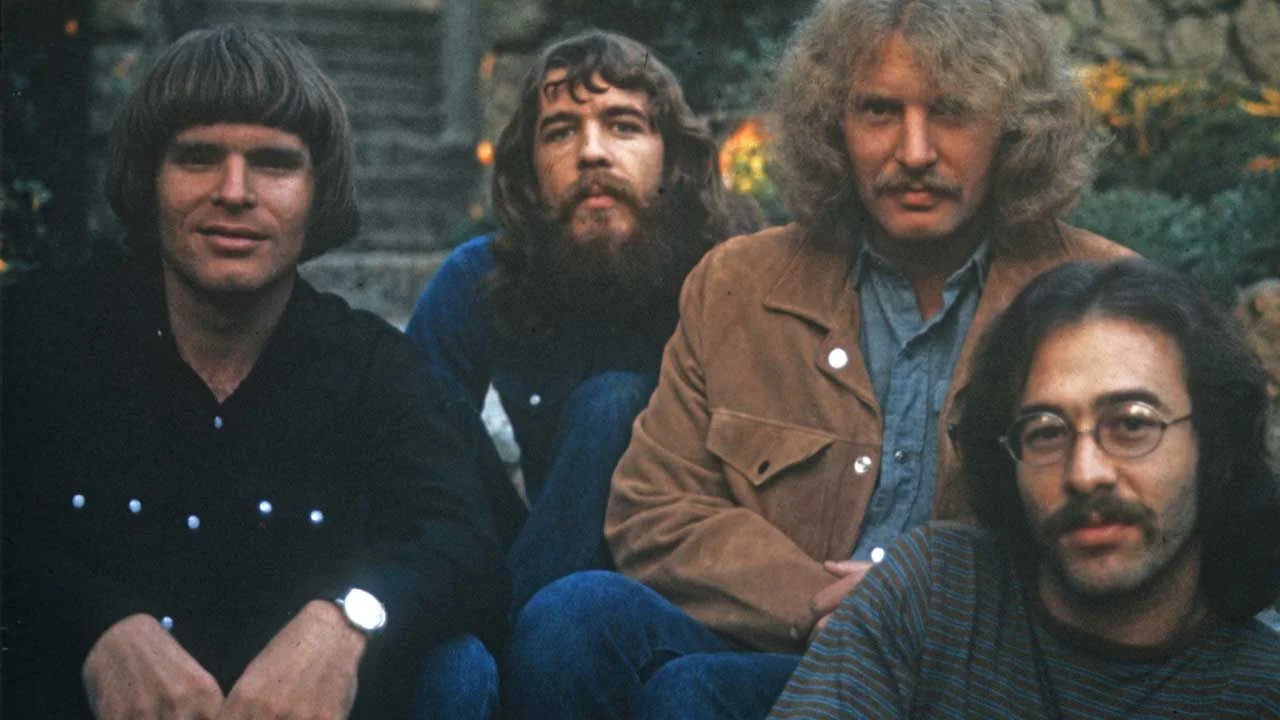
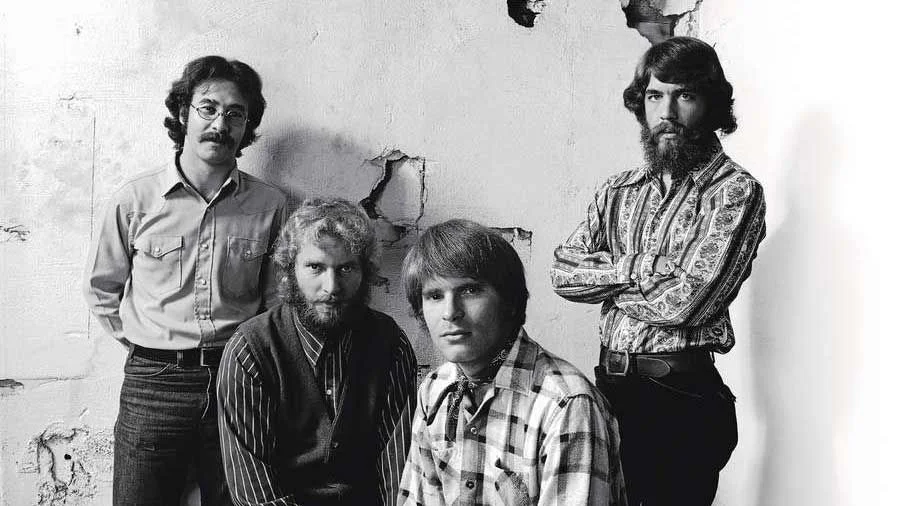
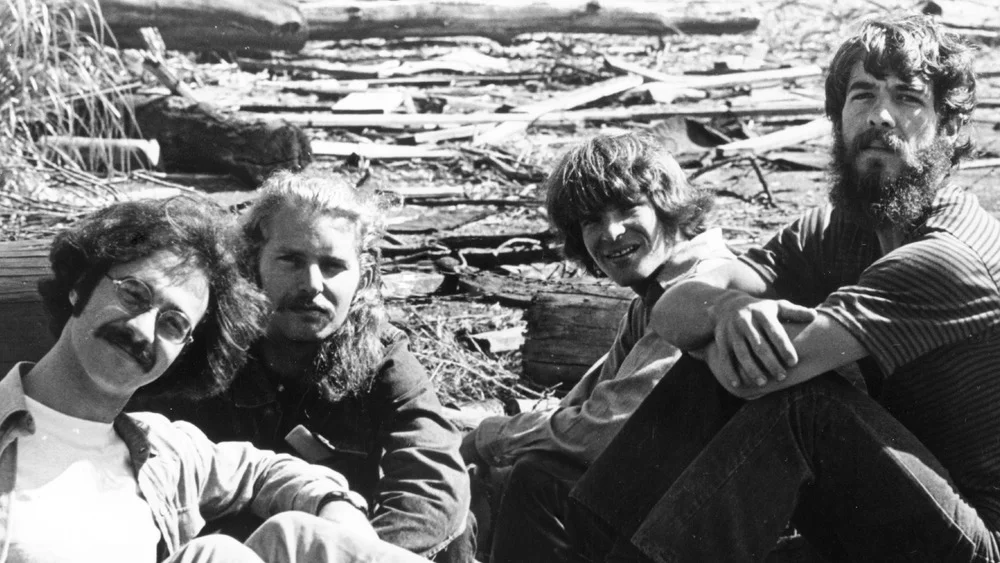
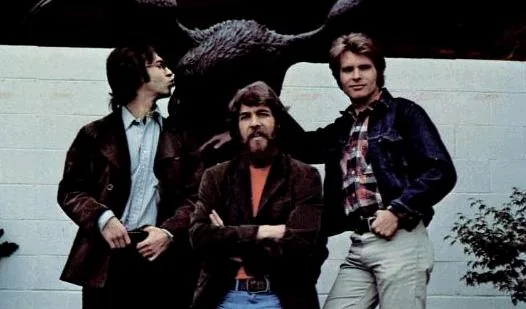
Creedence Clearwater Revival songs can feel familiar within a few bars. John Fogerty’s voice, a clear guitar figure and an unhurried but insistent beat form a remarkably direct combination. Many American musical traditions meet in it, yet the songs never feel like exercises in style: melody, character and a strongly suggested story carry them.
Creedence Clearwater Revival adopted that name in California in 1967, after earlier years as the Blue Velvets and the Golliwogs. John and Tom Fogerty, Stu Cook and Doug Clifford had played together long before the 1968 debut.

Bayou Country, Green River and Willy and the Poor Boys all appeared in 1969; Cosmo’s Factory followed in 1970. Tom Fogerty left in 1971, and the remaining trio made Mardi Gras before separating in 1972. Blues, country, rockabilly and swamp imagery met in unusually compact songs, rooted in American traditions despite the band’s Californian home.
The band’s brief recording history contains a wide range of moods. Brisk rock-and-roll pieces sit beside uneasy songs and quieter narratives, linked by an approach that preserves their differences. Original albums reveal more of that variety than the hits alone. Concert recordings also show how much the recognisable sound owes to the shared pulse of the rhythm section and the guitars’ straightforward, tightly coordinated interplay. Even within such compact forms, the songs do not feel interchangeable. A vocal inflection, an opening guitar figure or the character of a chorus can change, allowing the familiar ensemble sound to tell another story without needing a larger arrangement.