
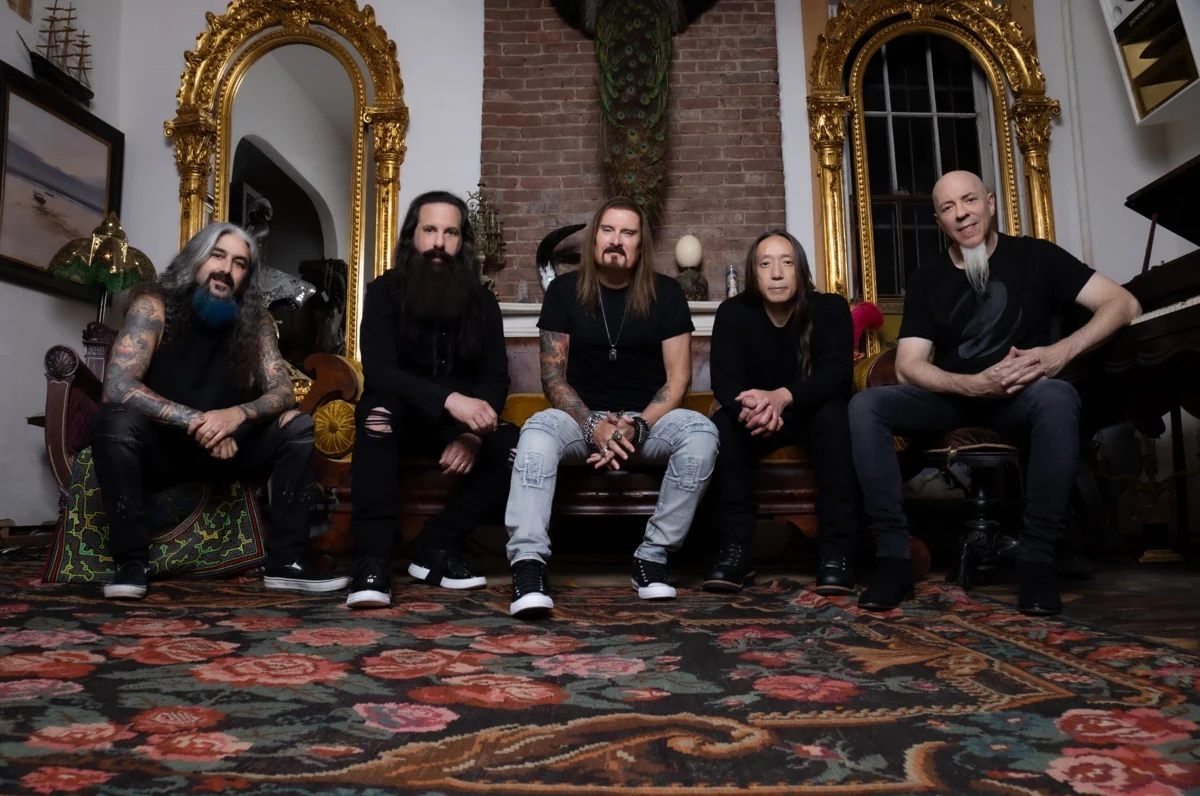
Dream Theater - Night Terror (Official Video)
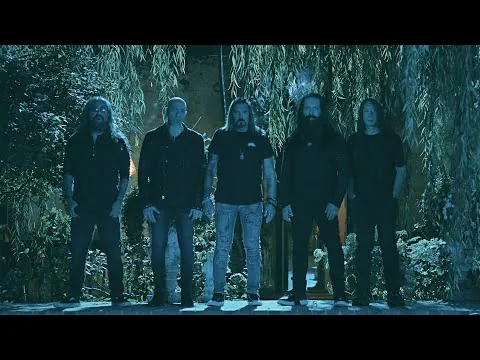
Open on YouTubeDream Theater
MUSIC JOURNAL
Dream Theater began as Majesty in 1985, when John Petrucci, John Myung and Mike Portnoy were studying at Berklee.
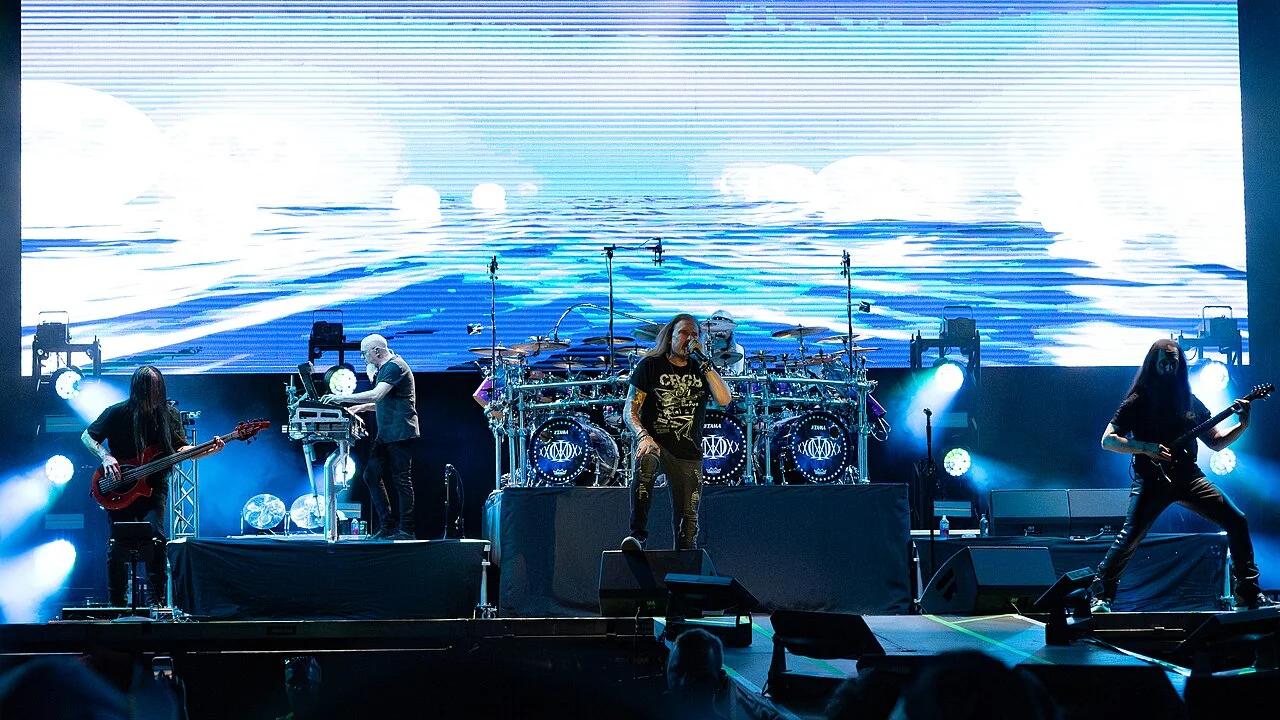
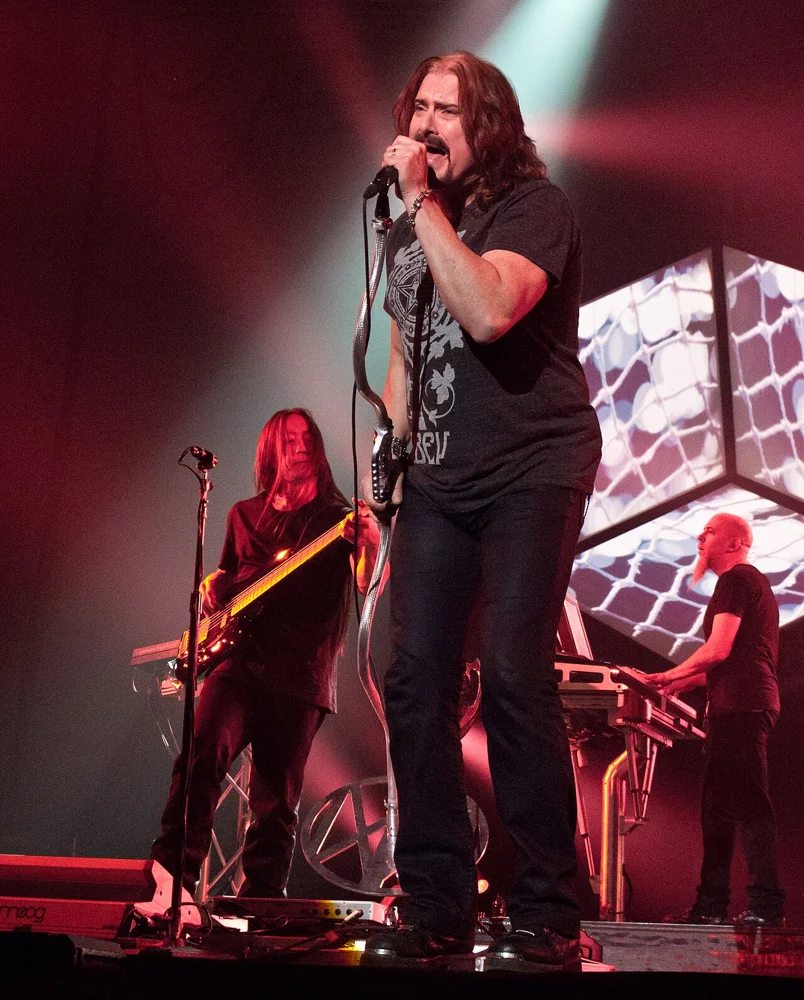
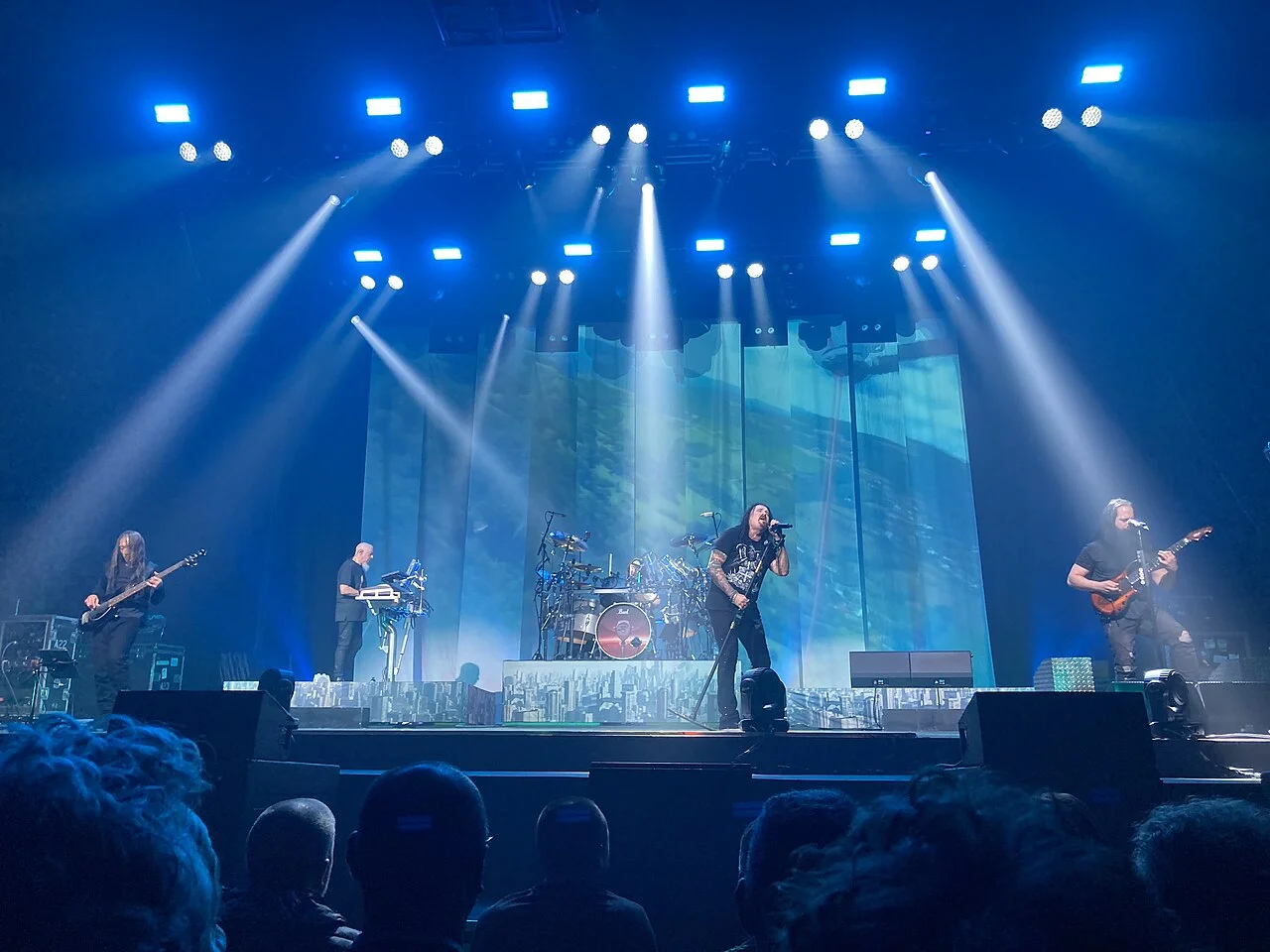
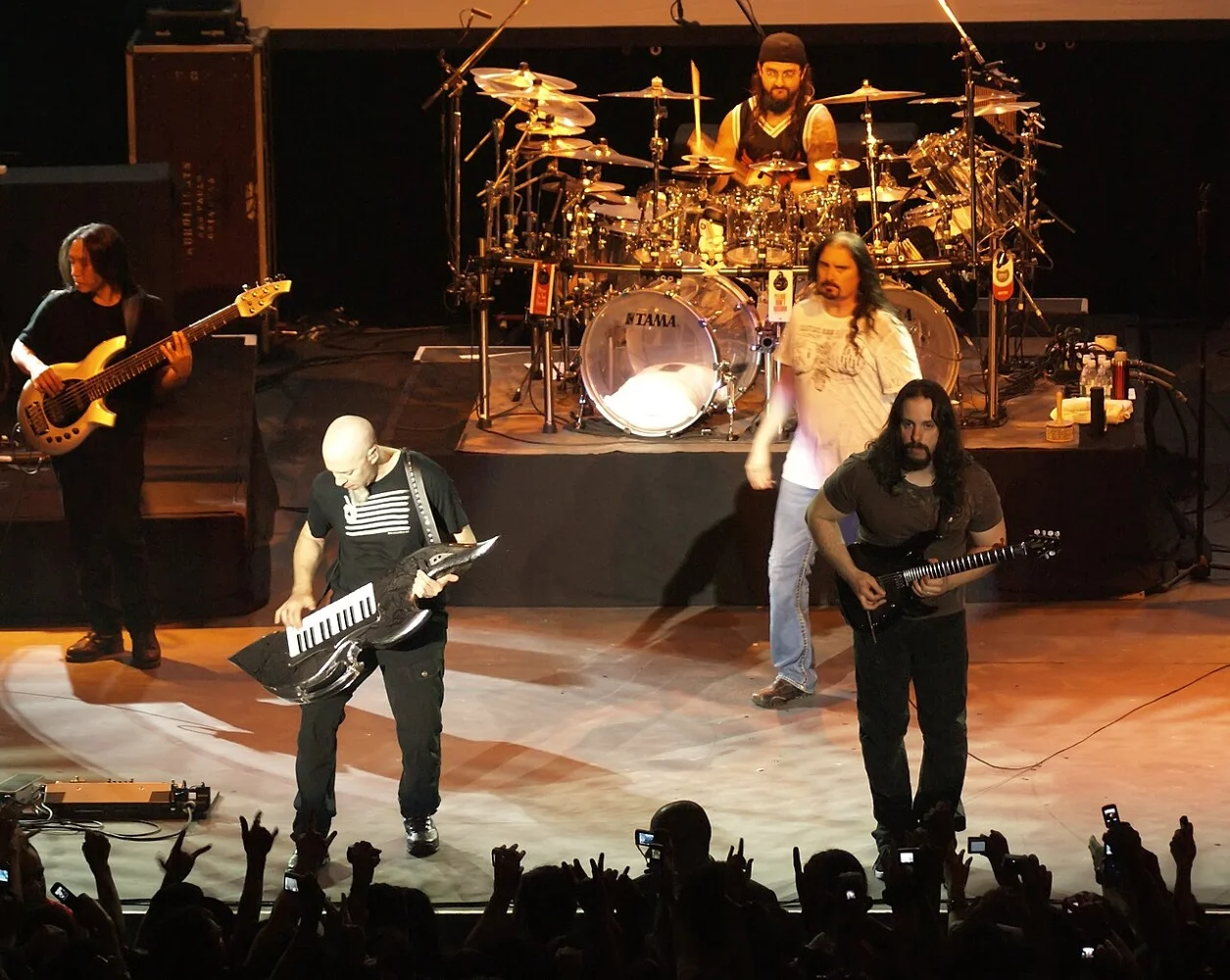
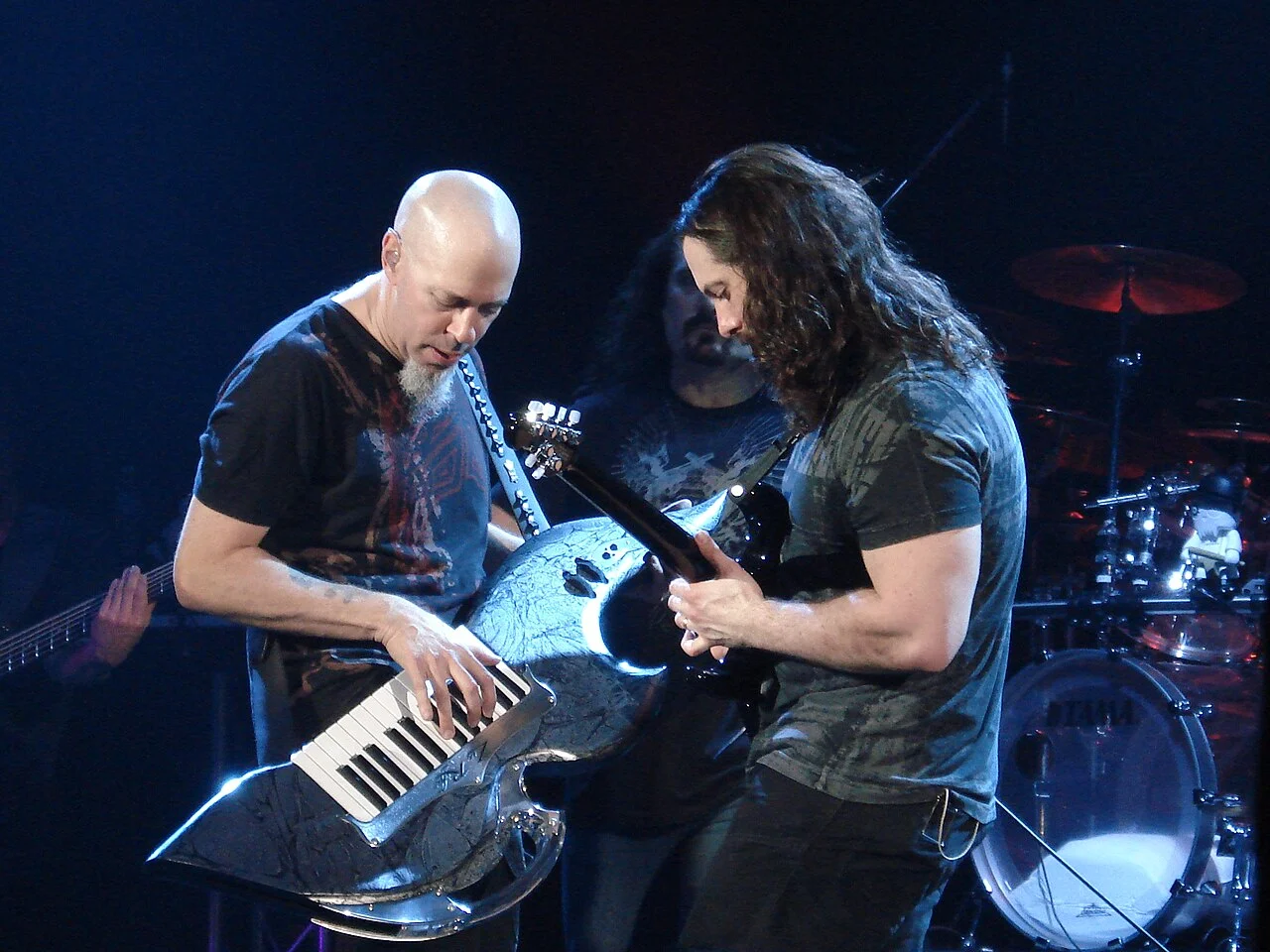
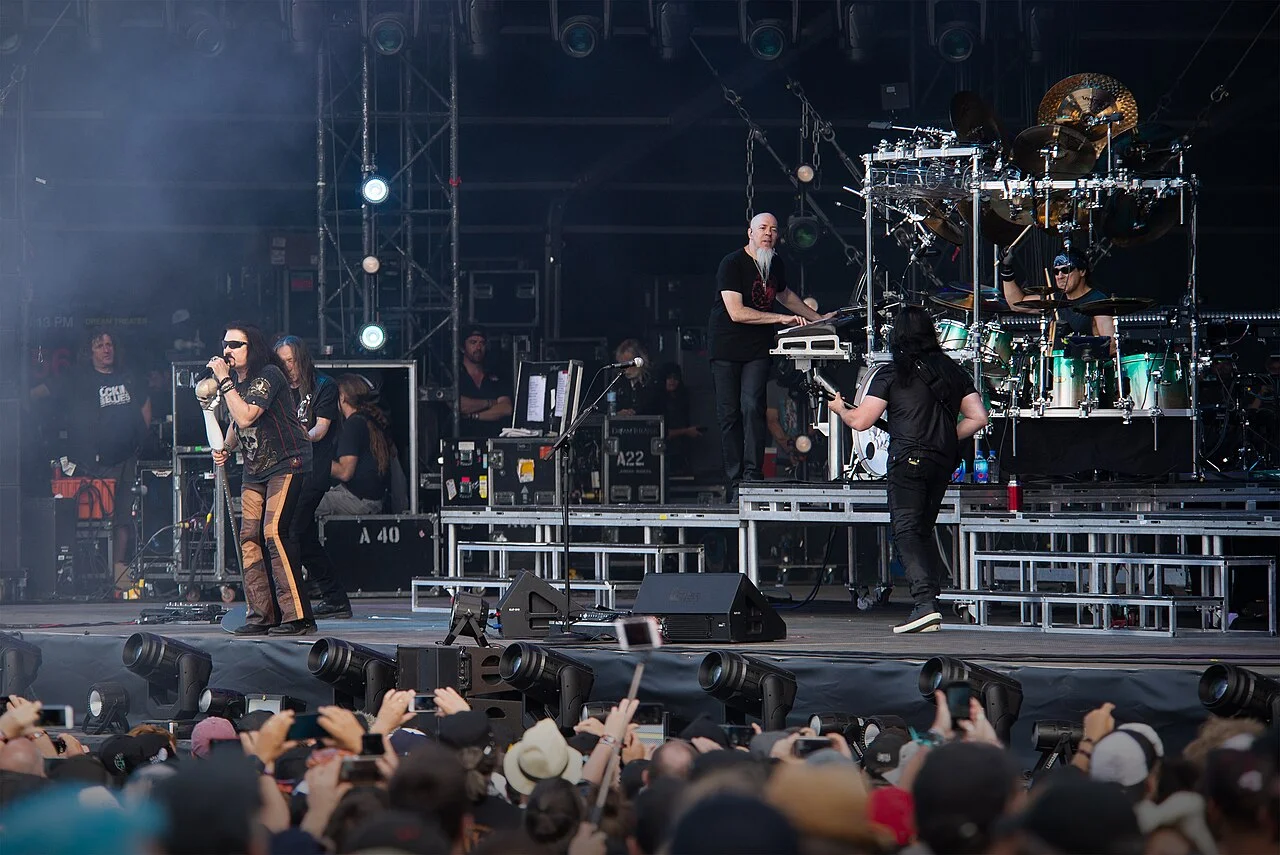
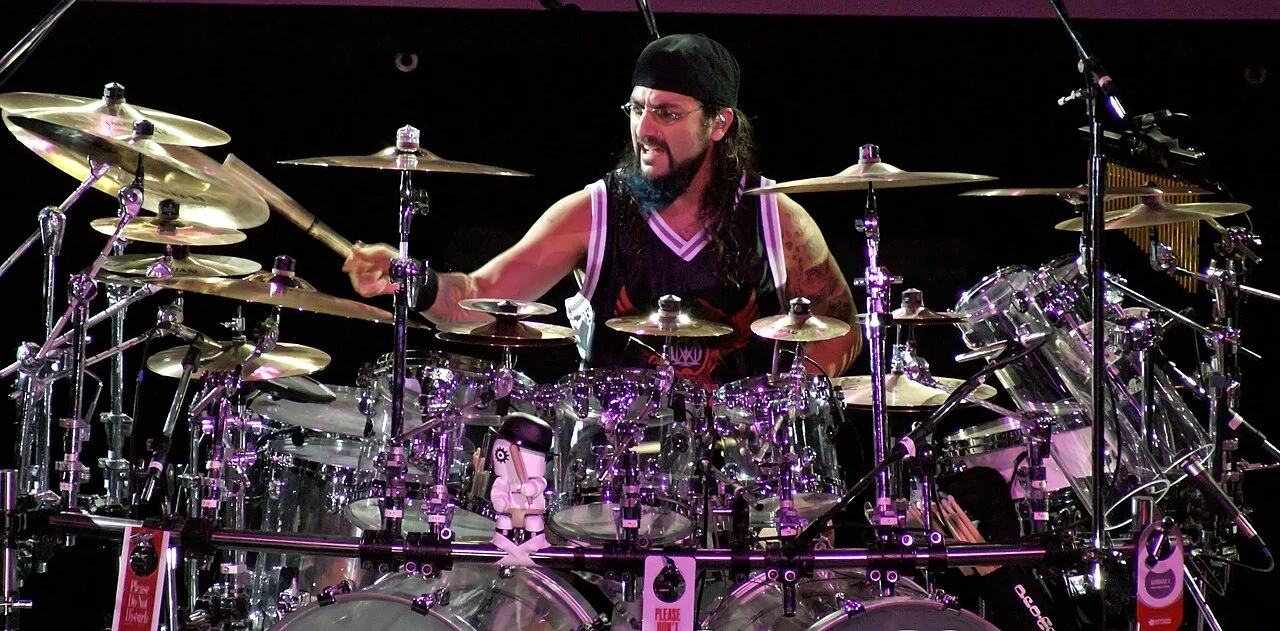
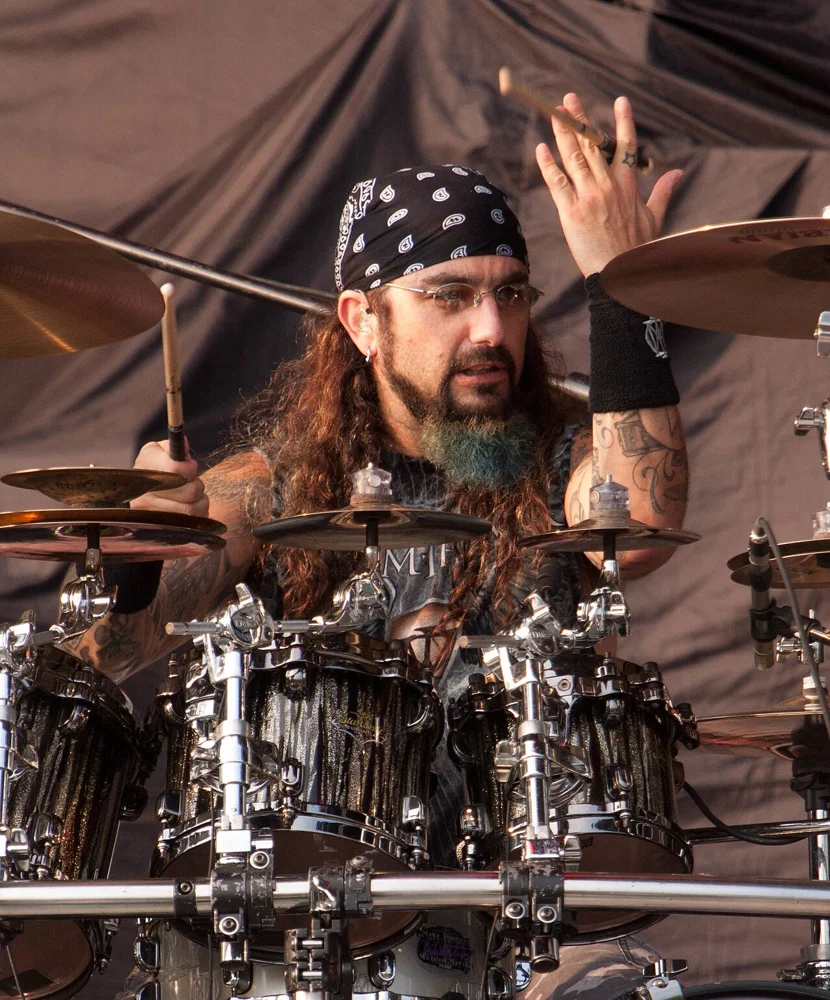
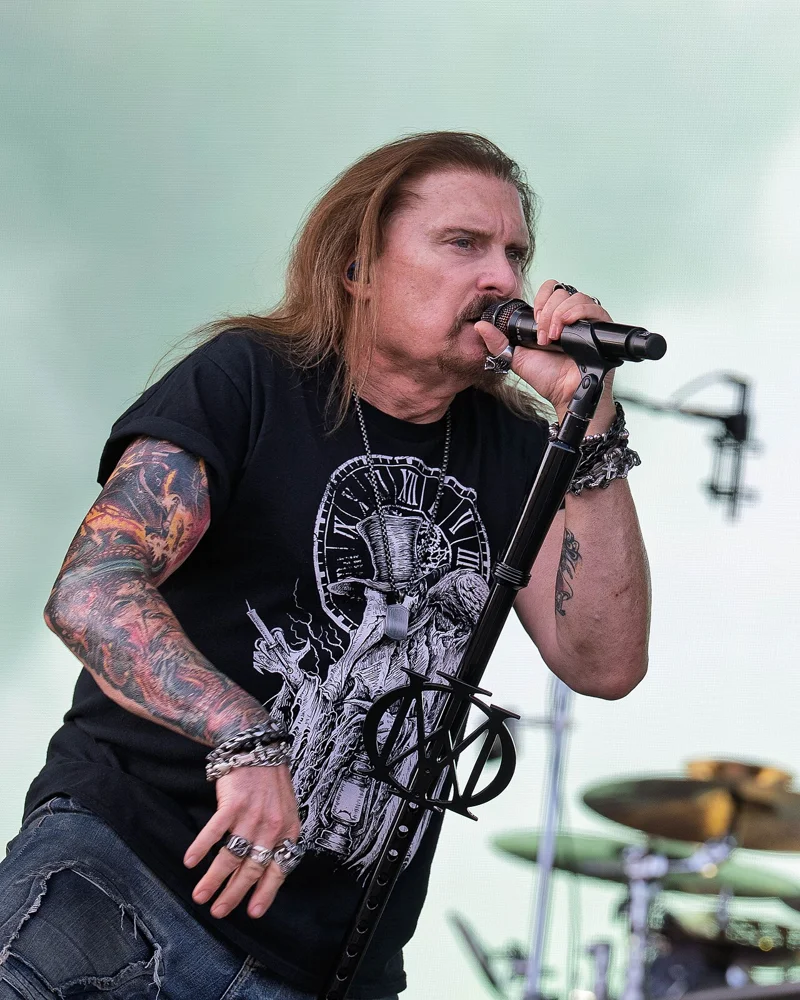
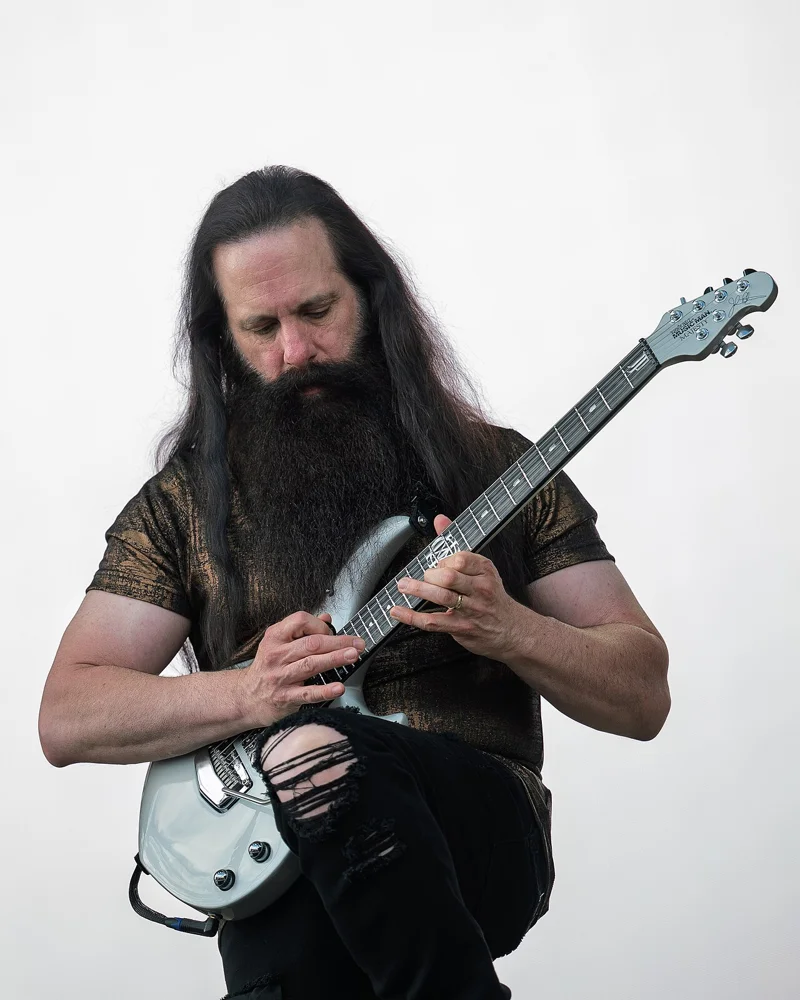
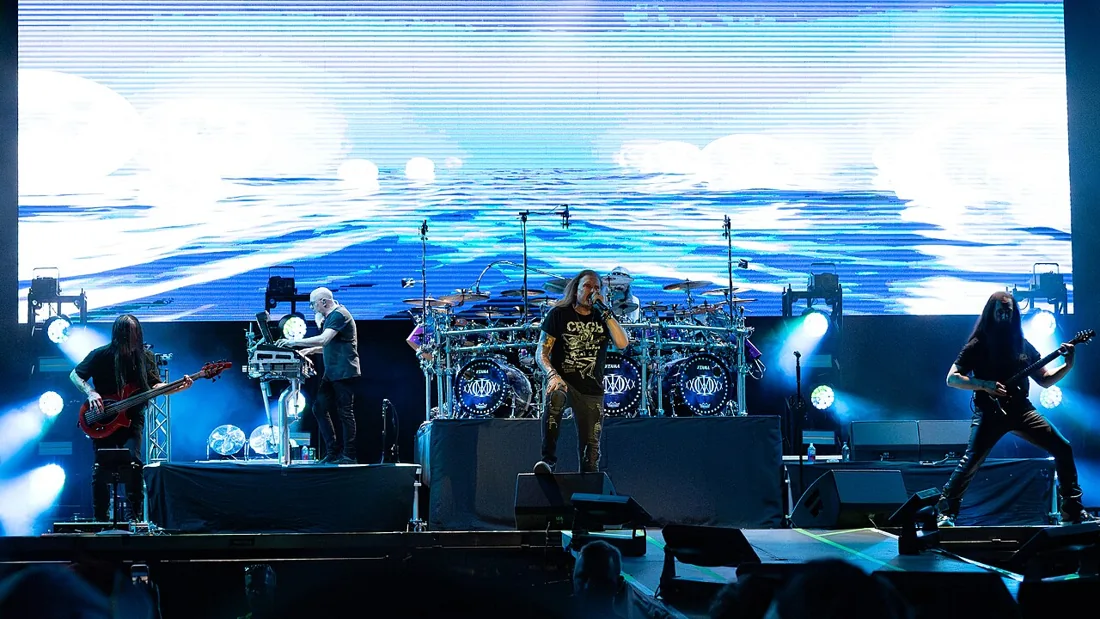
Dream Theater reward listening beyond the fast passages. A long composition can unfold like a story: a theme appears, changes, returns in a different mood and eventually connects seemingly separate episodes. Amid the dense instrumental writing, it is worth following the melody too. It often provides a route through the music from beginning to end.
Dream Theater began as Majesty in 1985, when John Petrucci, John Myung and Mike Portnoy were studying at Berklee. After the 1989 debut, James LaBrie’s arrival preceded Images and Words (1992), the album that introduced Pull Me Under to a much wider audience.
Metropolis Pt. 2: Scenes from a Memory (1999) made the album-length narrative central to the band’s identity. Later records explored extended suites, heavier textures and orchestral ideas. Portnoy left in 2010; Mike Mangini played on the following studio albums. Portnoy returned in 2023, ahead of Parasomnia (2025).
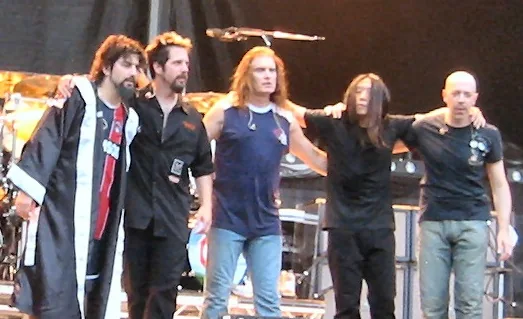
Progressive rock’s long forms and instrumental dialogue meet the weight of metal here. Changes of drummer and keyboard player mark distinct periods, without reducing the music to a display of technique.
Listening across different periods brings the balance between composition and performance into focus. Some recordings draw their strength from an album’s overall narrative, others from an individual song or the gradual development of an instrumental theme. Live versions make the musicians’ interaction especially clear. The quieter, more lyrical pieces belong beside the extended suites: they complete the picture rather than standing outside it.