

Marillion : Neverland (Live)

Open on YouTubemarilliononline
MUSIC JOURNAL
Marillion formed in Aylesbury in 1979.
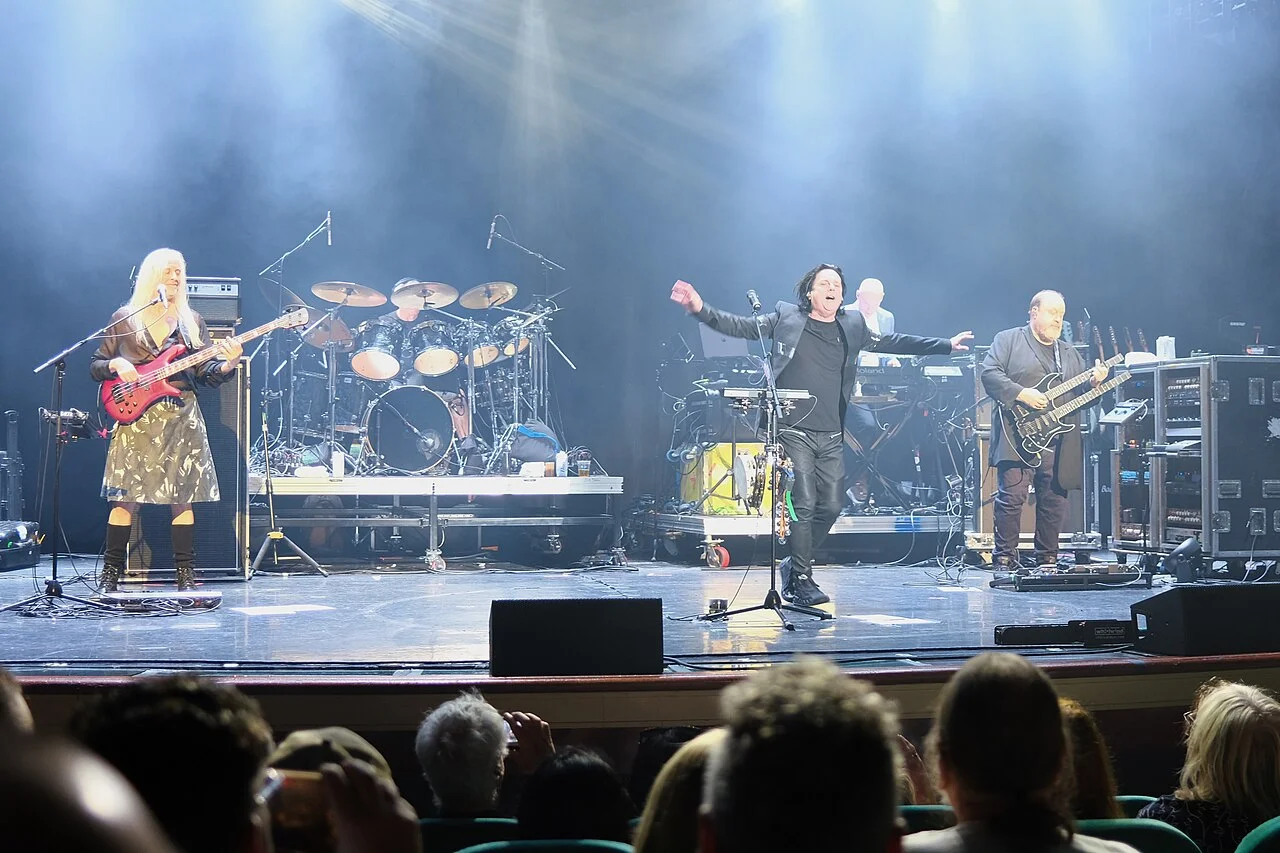
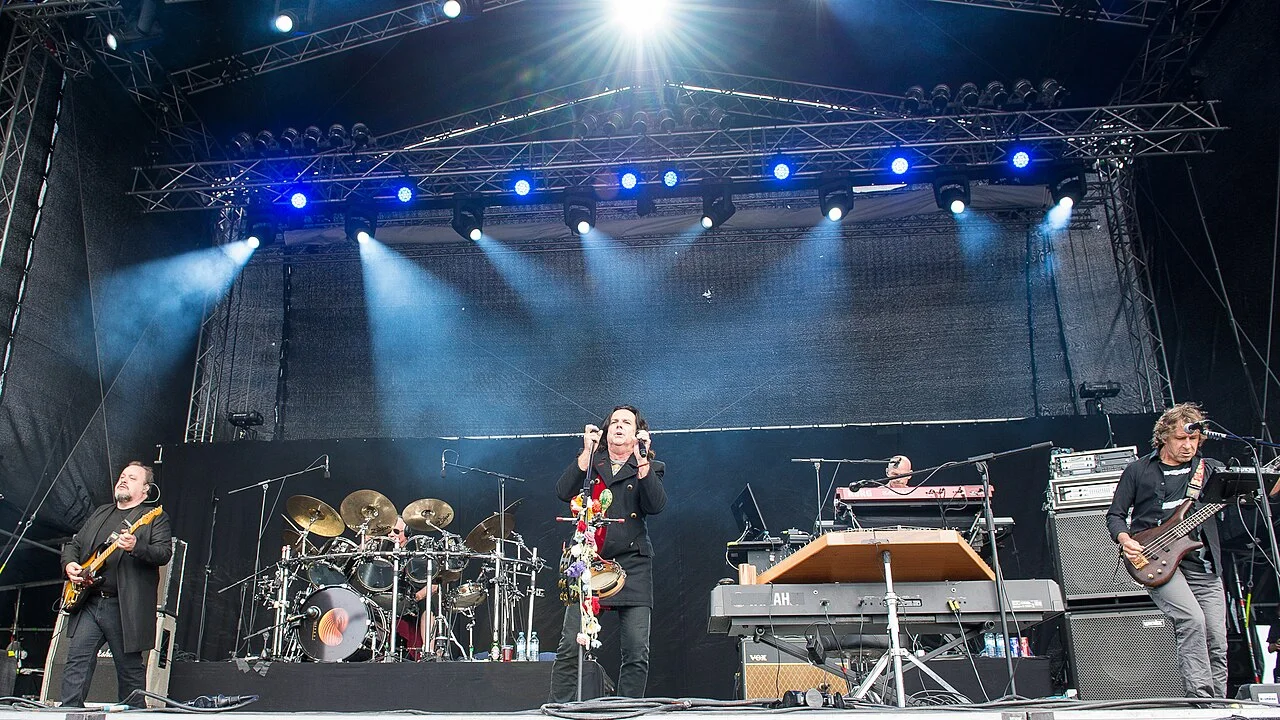
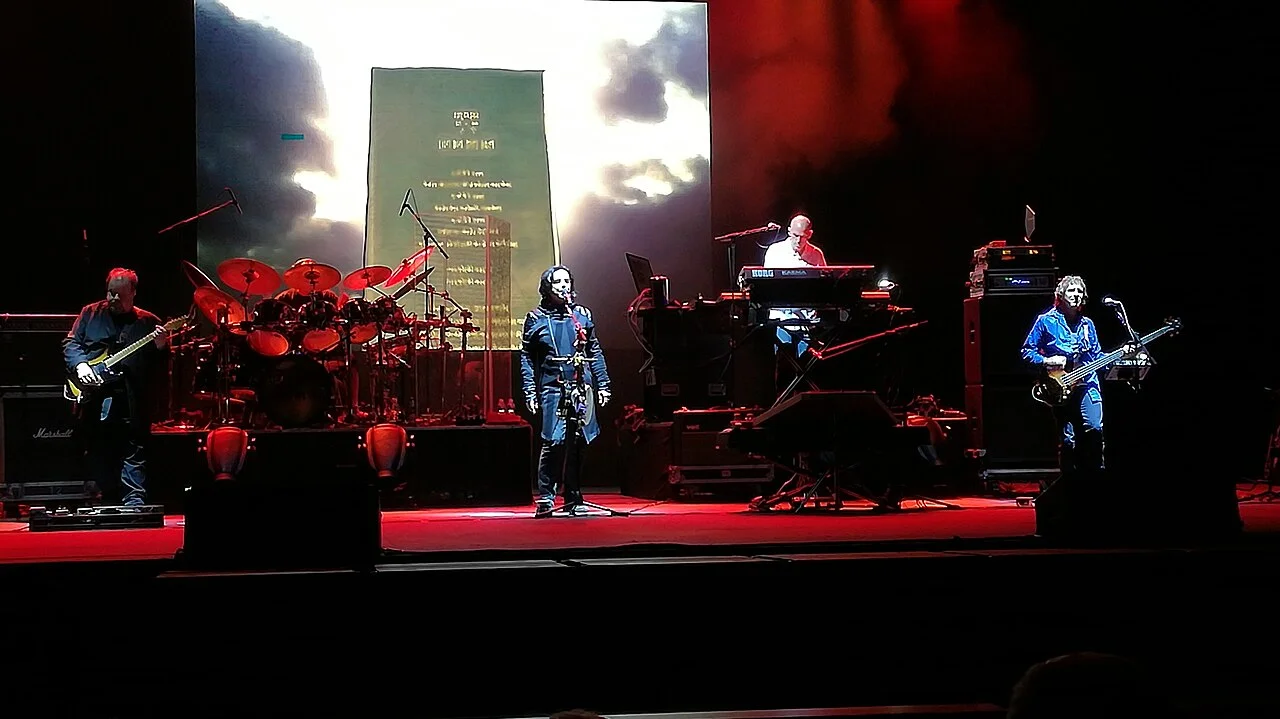
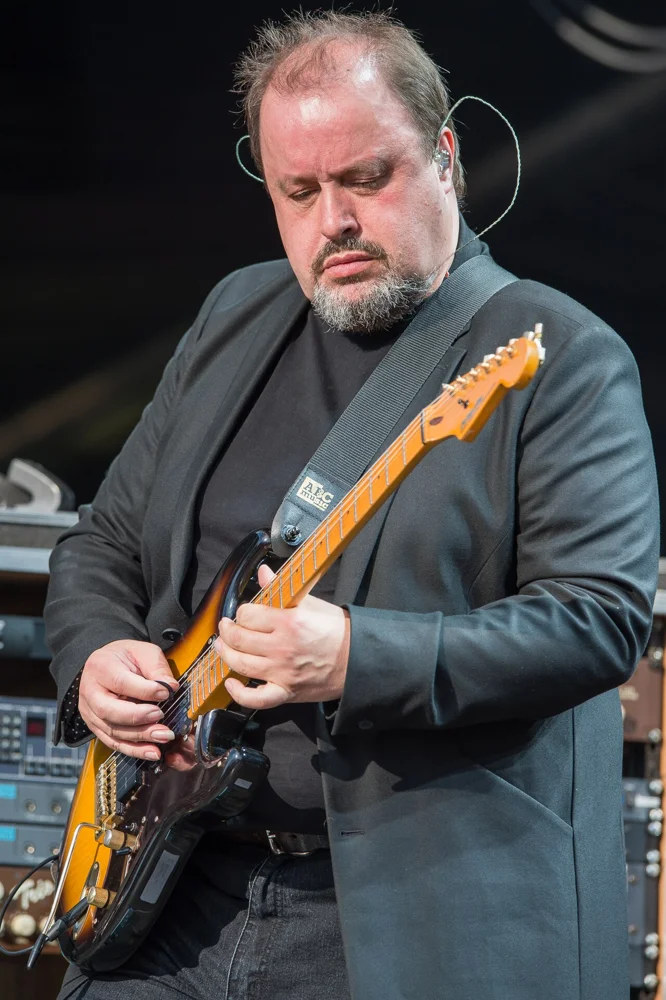
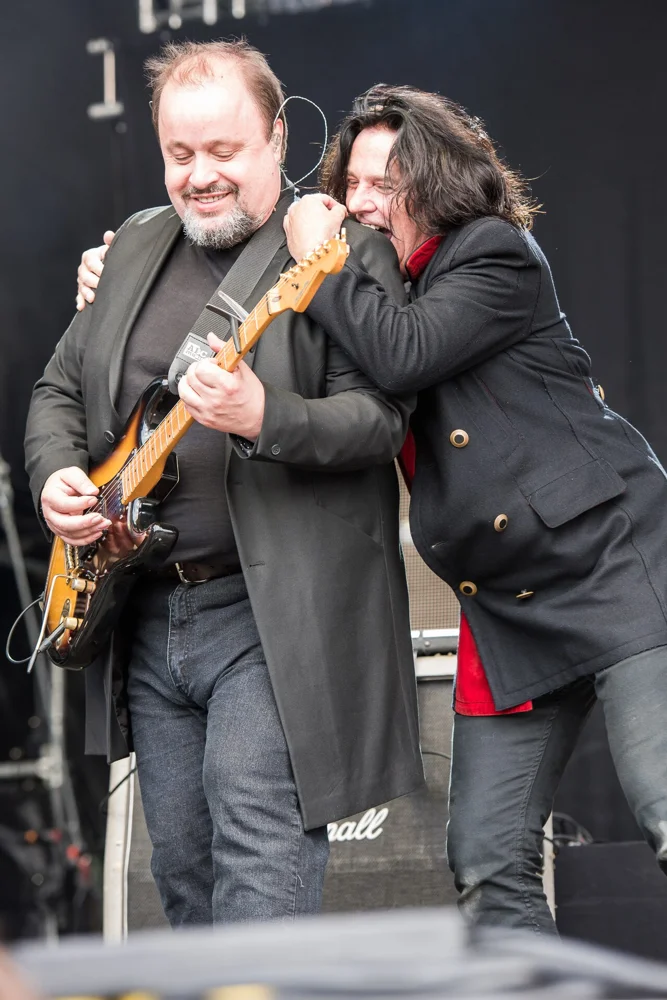
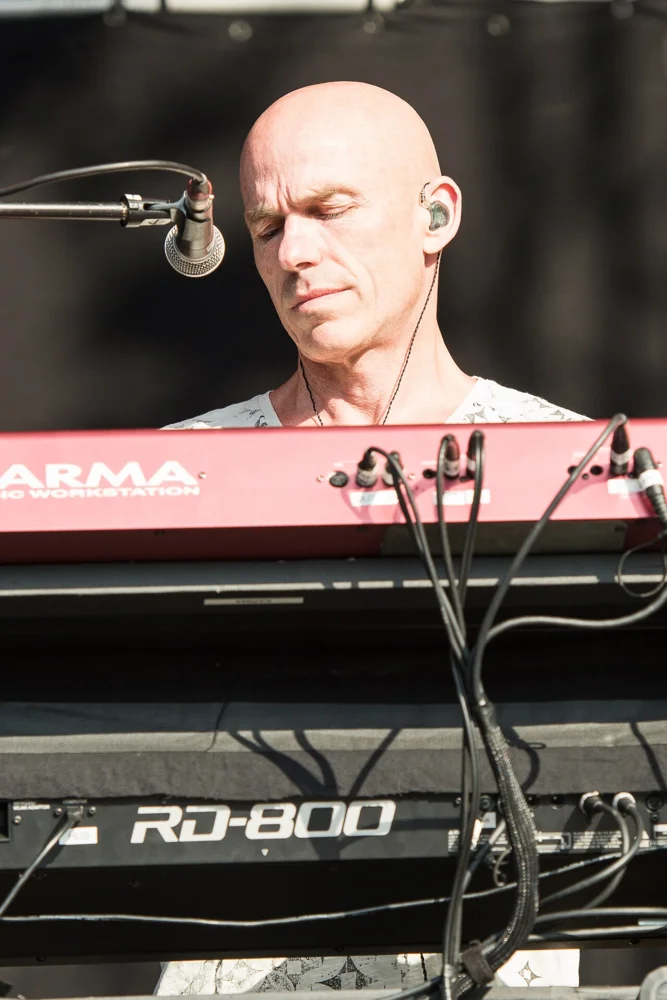
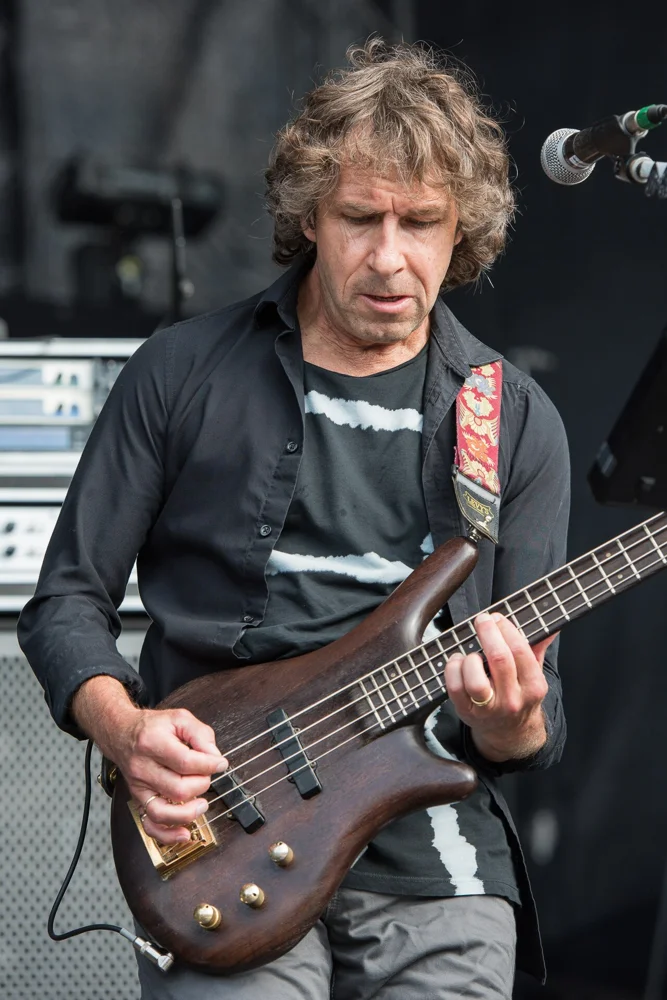


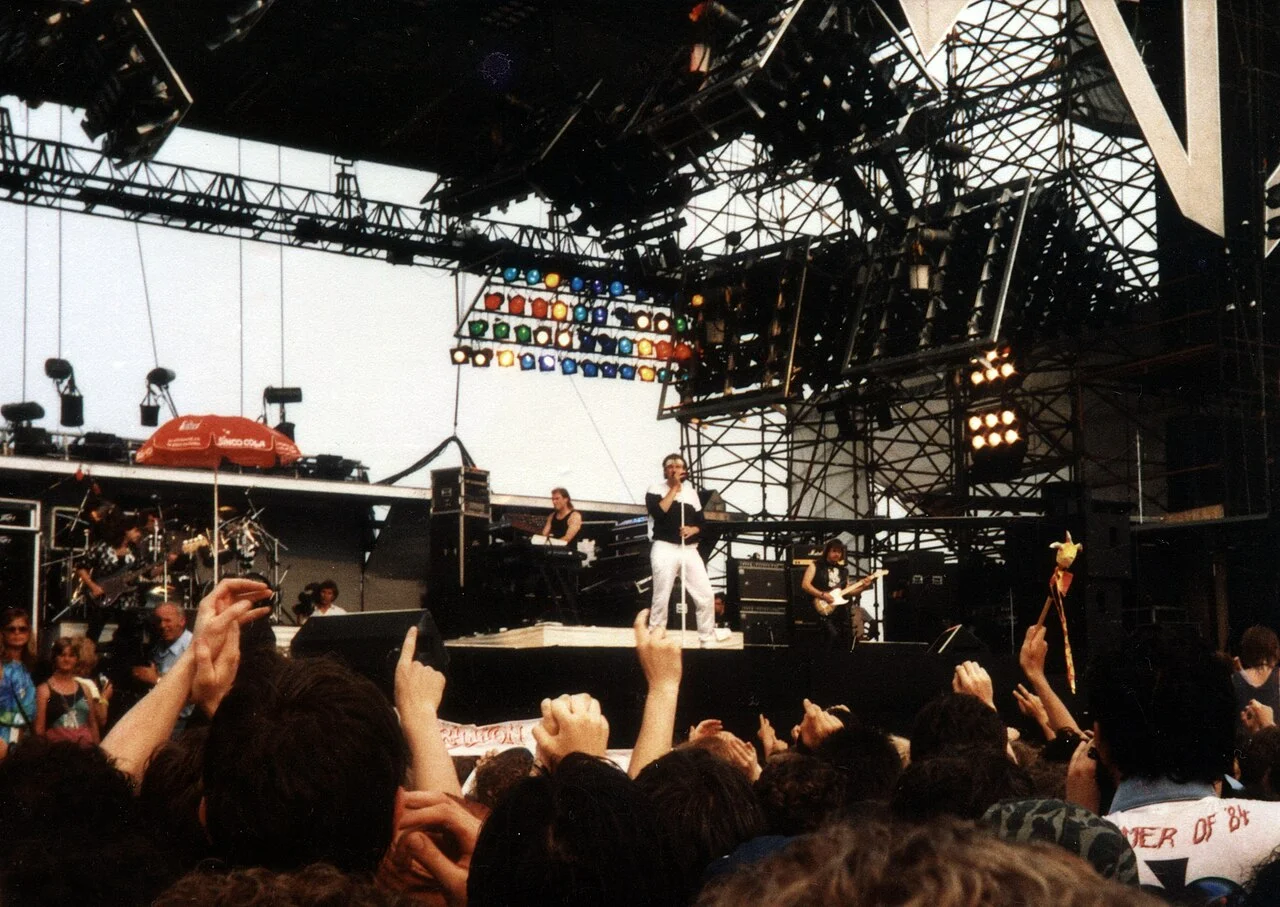
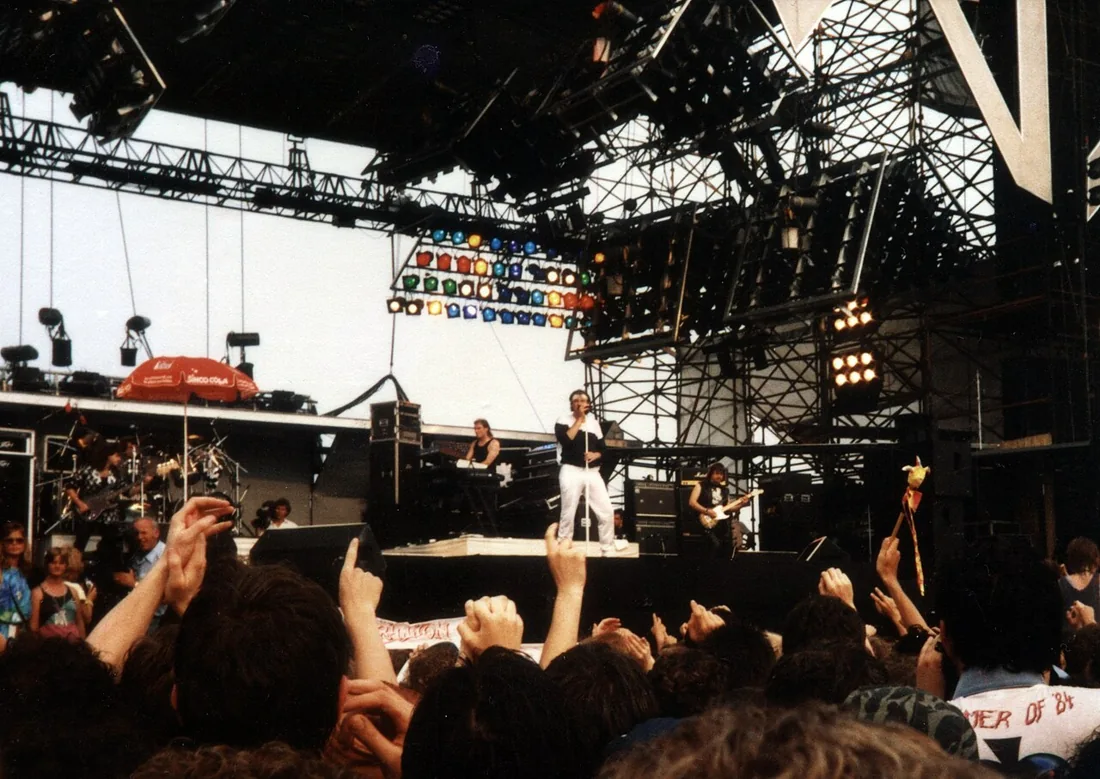
Early Marillion invite the listener into a narrative. The voice follows a character, the guitar answers with its own melody and the keyboards gradually change the setting. The theatrical approach can feel intensely personal: beneath the large images are doubts, memories and conversational inflections. That quality is central to exploring the Fish years.
Marillion formed in Aylesbury in 1979. The early period took shape around Fish’s voice and theatrical storytelling, Steve Rothery’s guitar and Mark Kelly’s keyboards. Script for a Jester’s Tear (1983) was followed by Fugazi, Misplaced Childhood and Clutching at Straws: four studio albums with Fish.
That 1983–87 sequence is the centre of this selection. Kayleigh and Lavender belong within the continuous arc of Misplaced Childhood, while Clutching at Straws presents a darker, fractured world. Fish left in 1988; Steve Hogarth joined in 1989, beginning a distinct chapter with Seasons End.
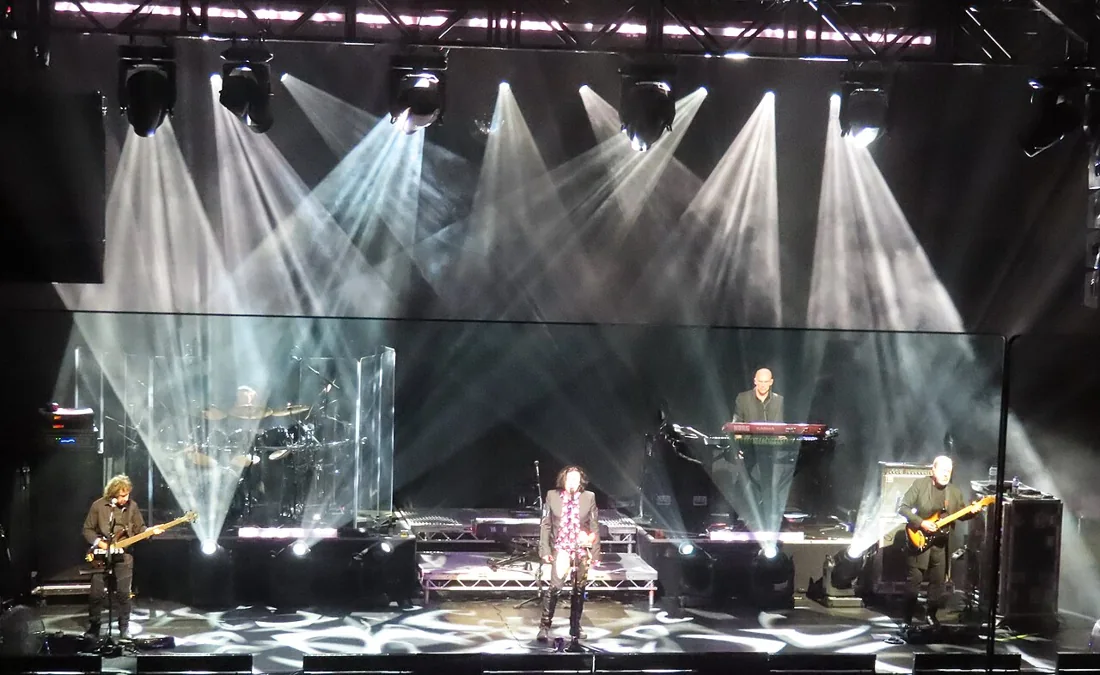
Later albums such as Brave and Marbles widened the group’s vocabulary. Neo-progressive and art rock remain useful starting points, but the two vocal eras deserve to be heard on their own terms.
The movement from Script for a Jester’s Tear to Misplaced Childhood is particularly revealing, as individual images become part of a longer narrative. Clutching at Straws retains the melodic strength within a darker mood, while Seasons End introduces another vocal perspective. Hearing the records in sequence makes the changing approach to storytelling apparent, beyond the change of singer alone.
The four studio albums with Fish work as distinct chapters rather than a route between a few familiar singles. Their longer pieces reveal the movement between tension and quiet, with instrumental themes carrying the story beyond the vocal passages. The later history with Hogarth offers a different perspective and deserves its own attention. Keeping those periods distinct also makes it easier to hear the players and musical instincts that connect them.