Mecano - Hijo de la Luna (Videoclip oficial)
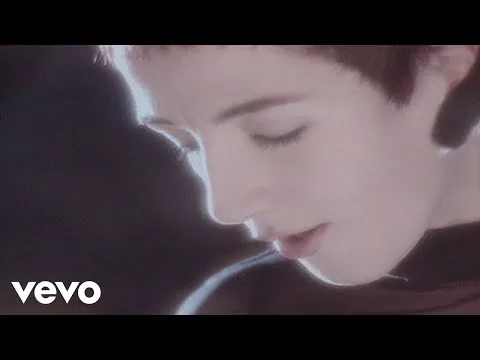
Open on YouTubeMecanoVEVO
MUSIC JOURNAL
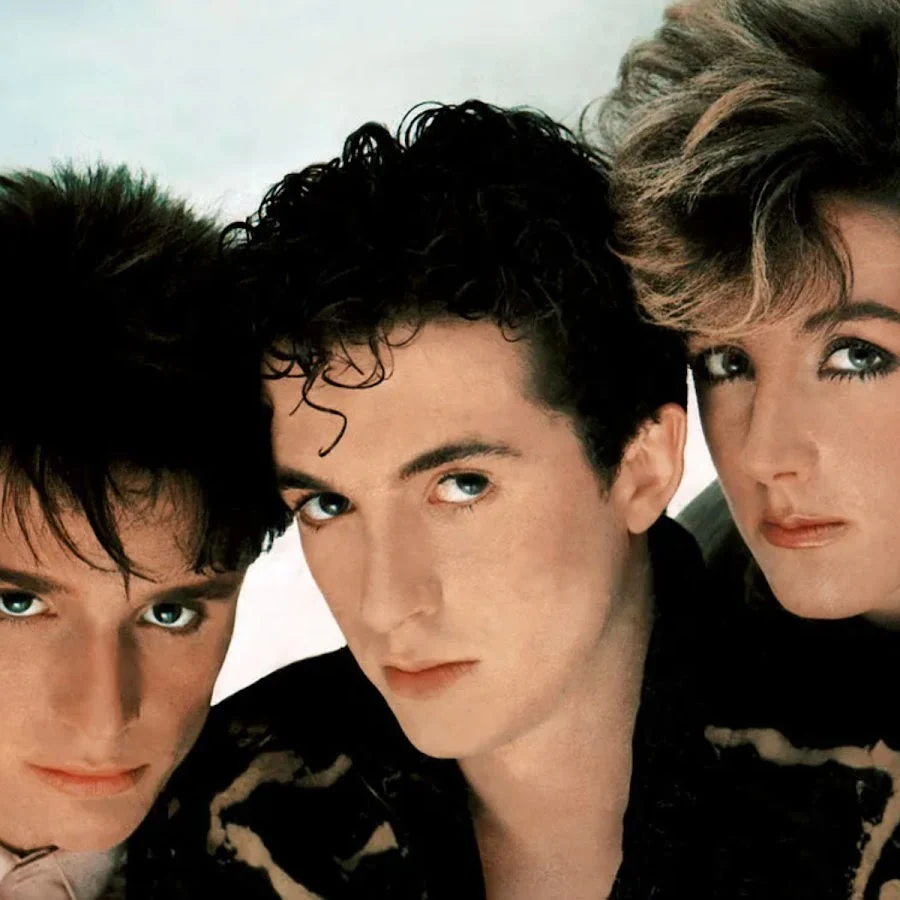
Mecano emerged in Madrid in 1981: Ana Torroja sang songs written by brothers Nacho and José María Cano.
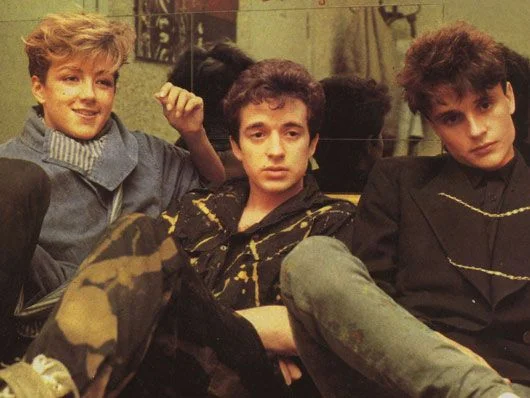
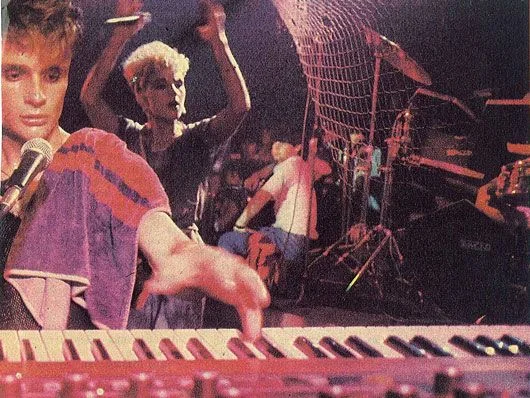
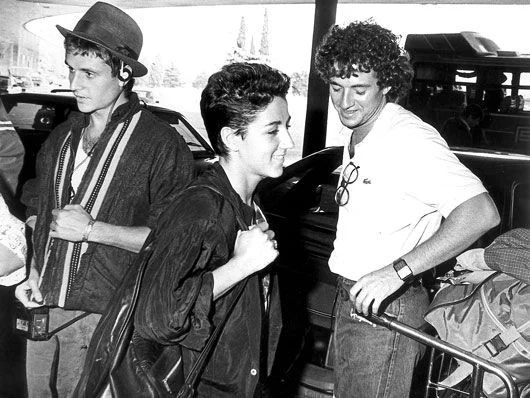
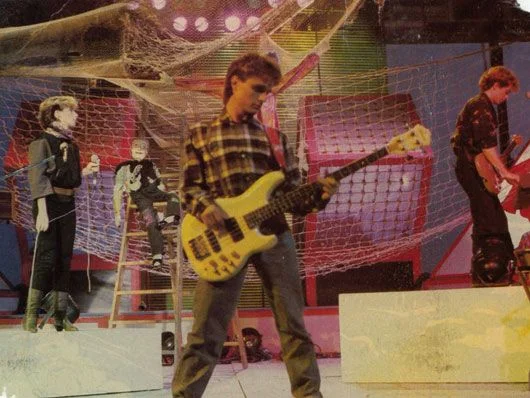
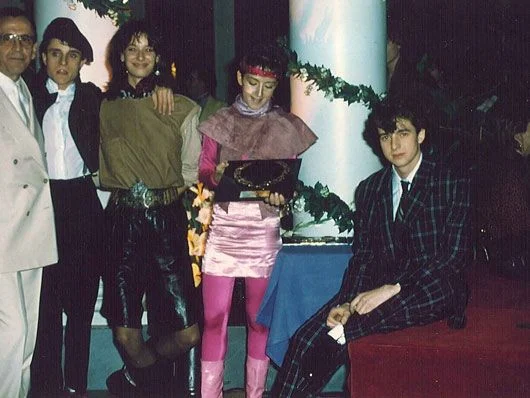
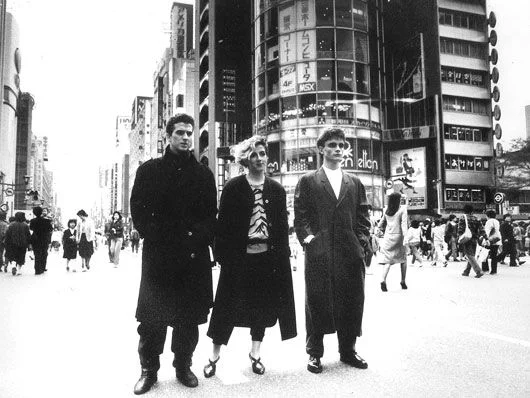




Mecano are compelling for the distance between a song’s apparent lightness and the story it tells. A melody that stays with the listener may carry a sad narrative, an everyday scene or something closer to a fable. Ana Torroja’s restrained delivery leaves room for those shades, with synthesizers, acoustic instruments and dance rhythms creating a different setting around her voice.
Mecano emerged in Madrid in 1981: Ana Torroja sang songs written by brothers Nacho and José María Cano. Early singles and the self-titled 1982 album were shaped by synthesizers, concise hooks and the new Spanish pop scene.
Entre el cielo y el suelo (1986) broadened the arrangements and storytelling. Descanso dominical (1988) and Aidalai (1991) carried that approach further, with Hijo de la luna, Mujer contra mujer and El 7 de septiembre becoming distinct landmarks. A brief return with new material in 1998 did not become a lasting reunion.
The early synth-pop developed into a wider pop-rock language, with ballads and acoustic settings. Flamenco, rumba and tango appear as influences in particular songs rather than as a single description of the trio.
It is worth exploring beyond Hijo de la luna. The early records capture a particular musical moment, while later work reveals changes in arrangement and storytelling. Ballads, brisker songs and individual Spanish musical influences sit comfortably together. Live performances make the differences clearer still: a familiar melody can take on another character when heard outside the dense setting of a studio recording.