Premiata Forneria Marconi - Harlequin - Live @ Prog Exhibition, Roma 5/11/10
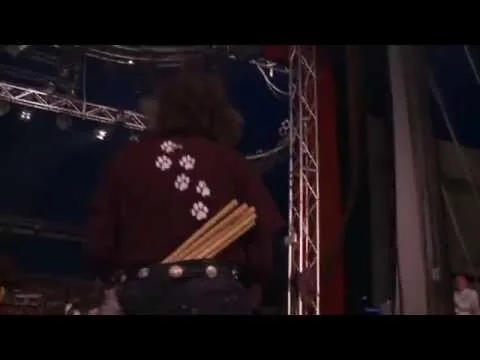
Open on YouTubePremiata Forneria Marconi
MUSIC JOURNAL

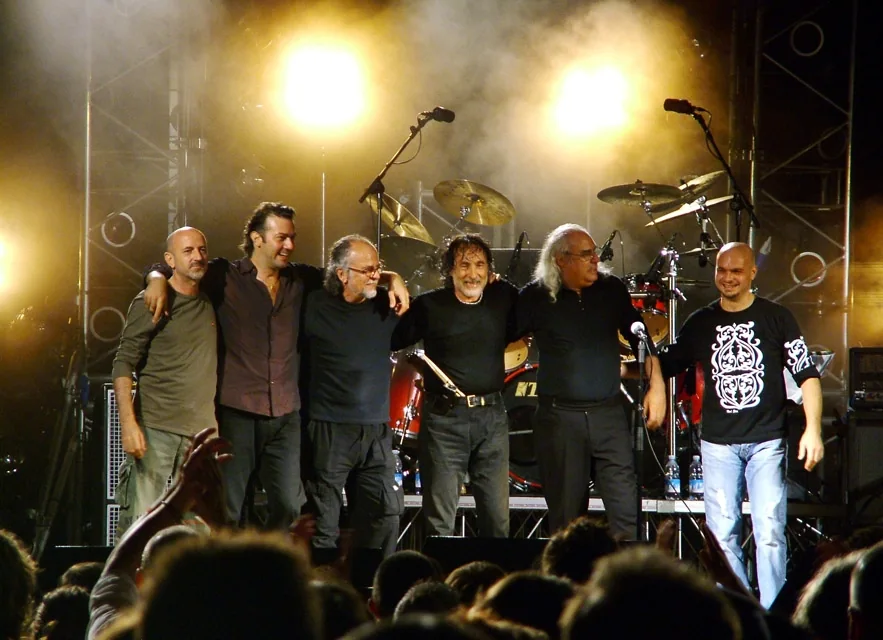
Premiata Forneria Marconi grew out of Milan’s scene at the end of 1970, bringing together experienced musicians from I Quelli and multi-instrumentalist Mauro Pagani.
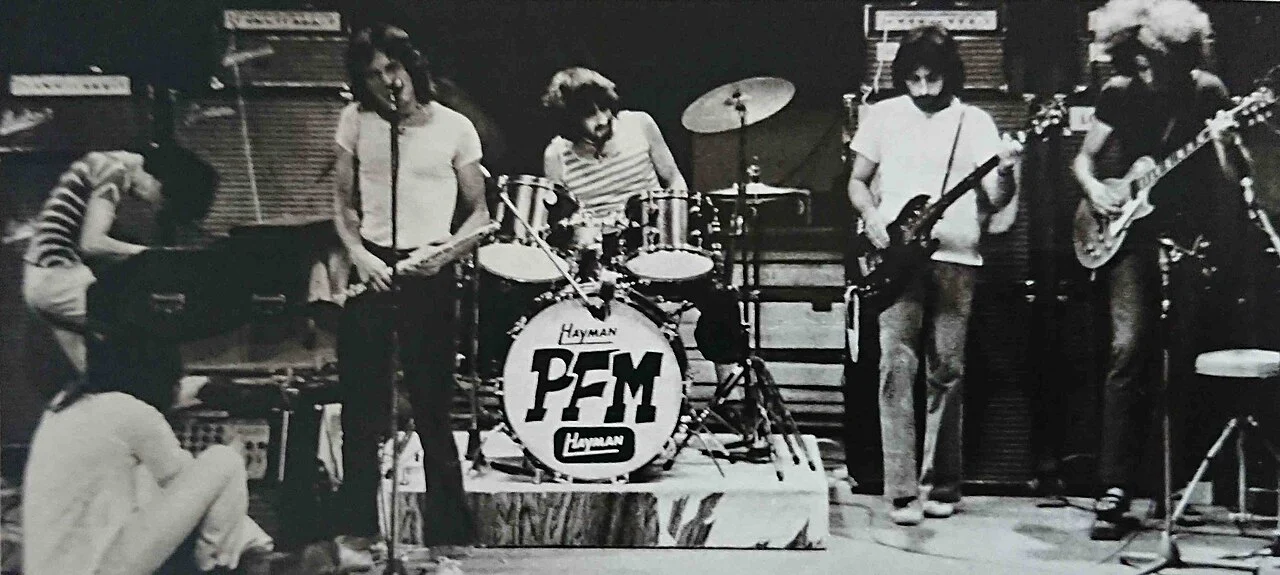
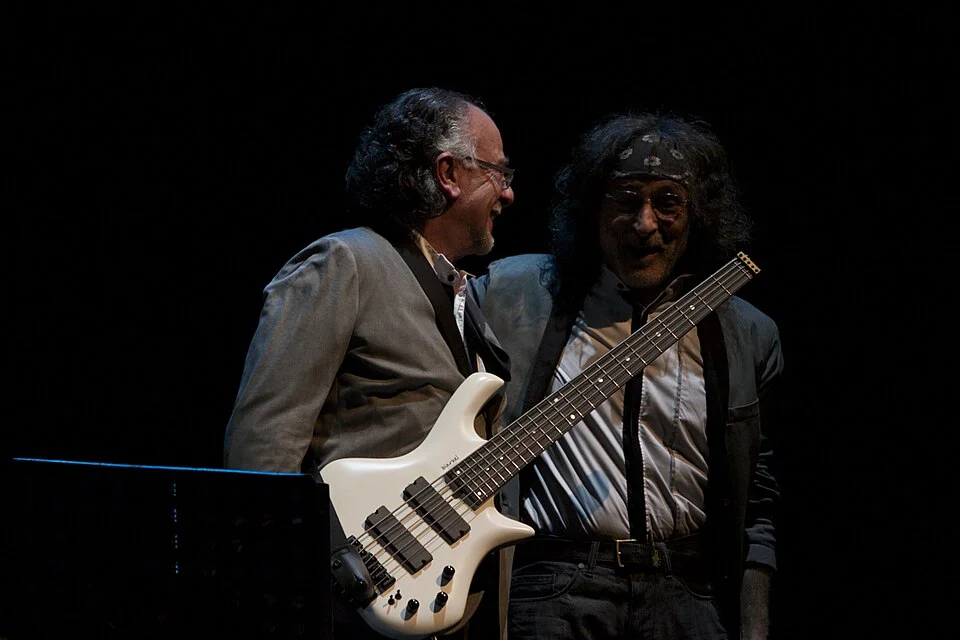
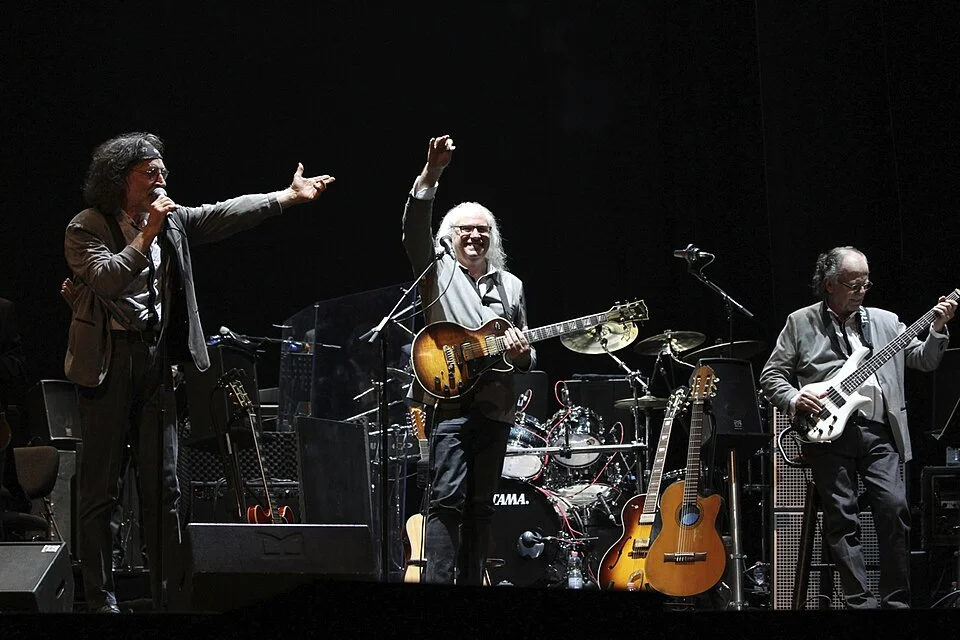
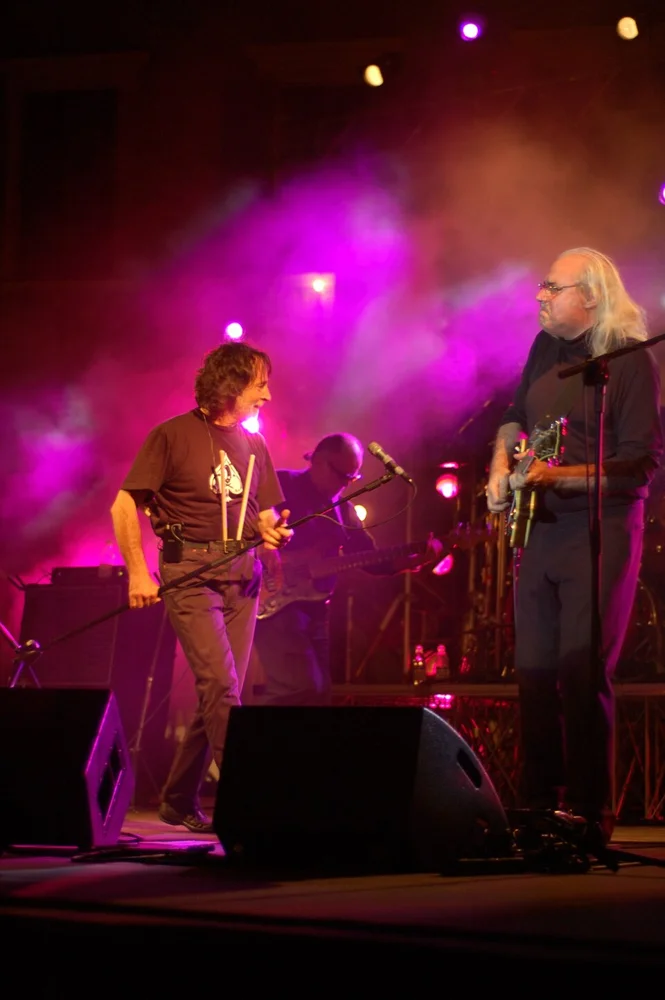
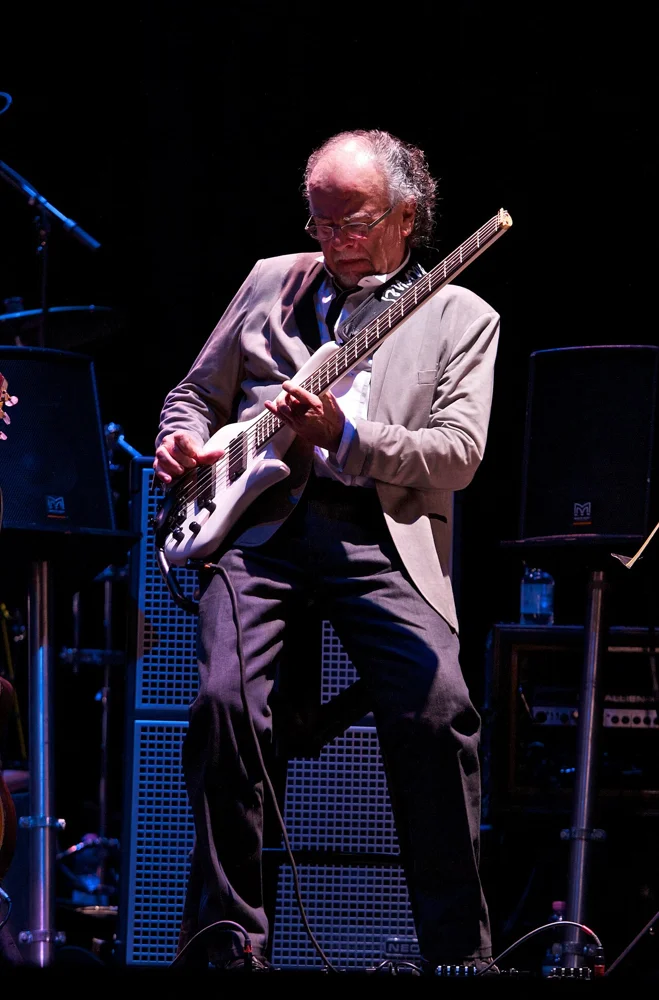
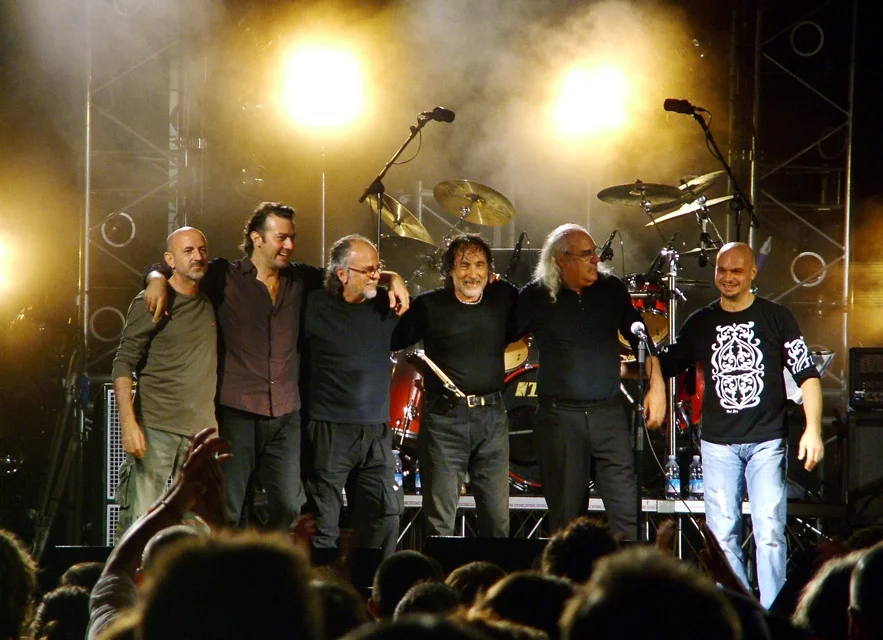
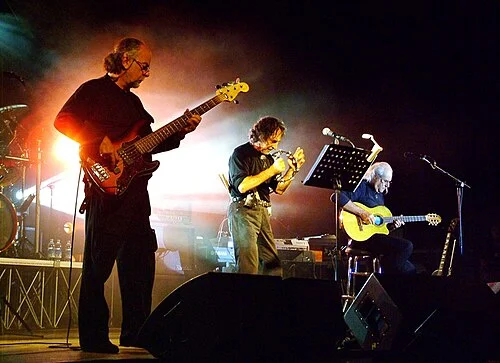
PFM often sound like musicians in a lively conversation. A gentle melody passes from flute or violin to keyboards before opening out across the ensemble. The structures can be intricate, yet a clear, expressive theme frequently guides the listener through them. That melodic thread gives the longer forms a warmth closely connected to song.
Premiata Forneria Marconi grew out of Milan’s scene at the end of 1970, bringing together experienced musicians from I Quelli and multi-instrumentalist Mauro Pagani. Storia di un minuto and Per un amico, both released in 1972, made the group central to Italian progressive rock.
English-language recordings, beginning with Photos of Ghosts (1973), and overseas tours opened an international chapter. Chocolate Kings (1975) featured singer Bernardo Lanzetti. The 1979 live collaboration with Fabrizio De André showed how the band’s arrangements could transform the work of a songwriter.
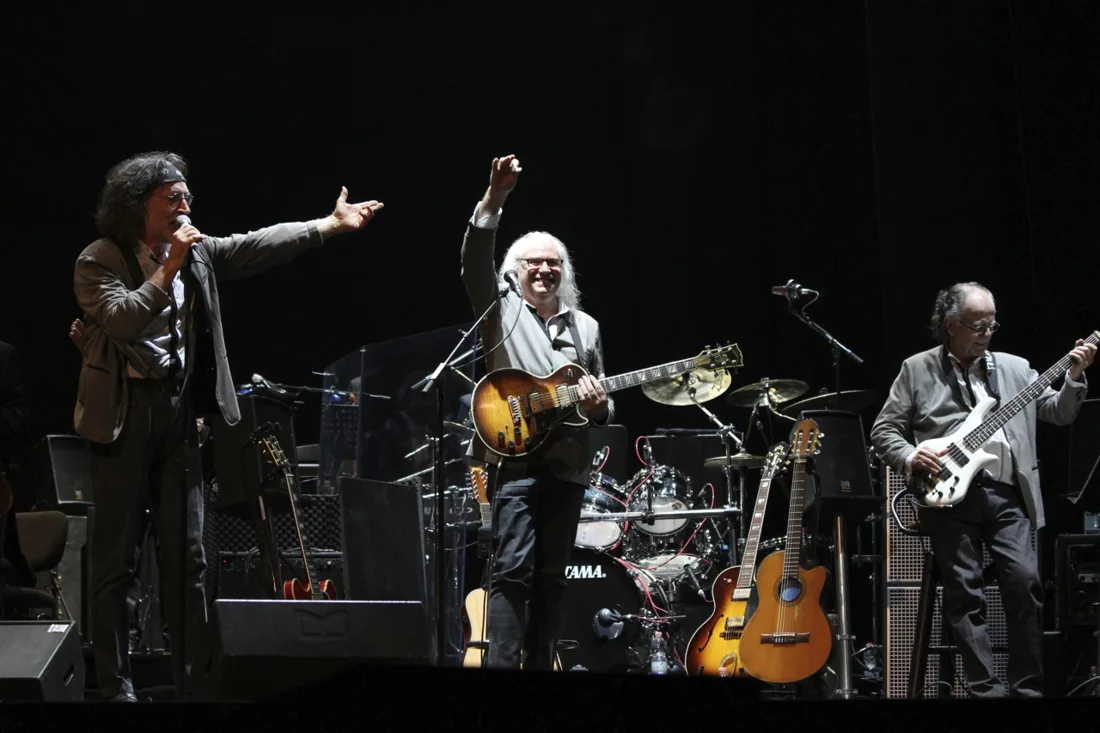
Classical structures, folk melodies, jazz exchanges and rock energy coexist here. Changes in personnel and language produced different textures, while the instrumental conversation remained essential.
Returning to Storia di un minuto and Per un amico shows how expressive a short instrumental opening can be. It establishes a song’s world rather than merely preceding it. Voices and arrangements change on subsequent records, but attention to those transitions remains. PFM consequently reward listening in a brief melodic episode as much as in an extended composition built from several sections.
Italian and English-language recordings reveal different aspects of the same band, while concert versions add freedom and a sense of attentive interplay. A quiet passage can gather strength without losing its melodic thread. Alongside the original albums, the collaboration with De André illustrates another PFM approach: keeping a song recognisable while finding new instrumental possibilities within it. Those changes of setting give the story much of its variety.