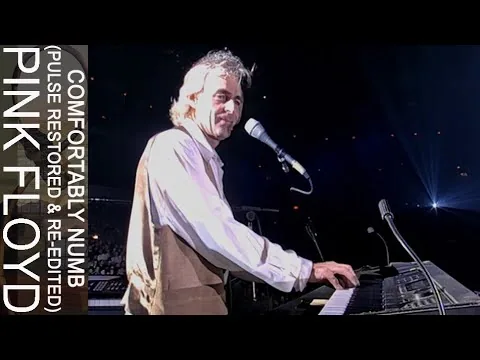
Pink Floyd - Comfortably Numb (PULSE Restored & Re-Edited)
Open on YouTubePink Floyd
MUSIC JOURNAL

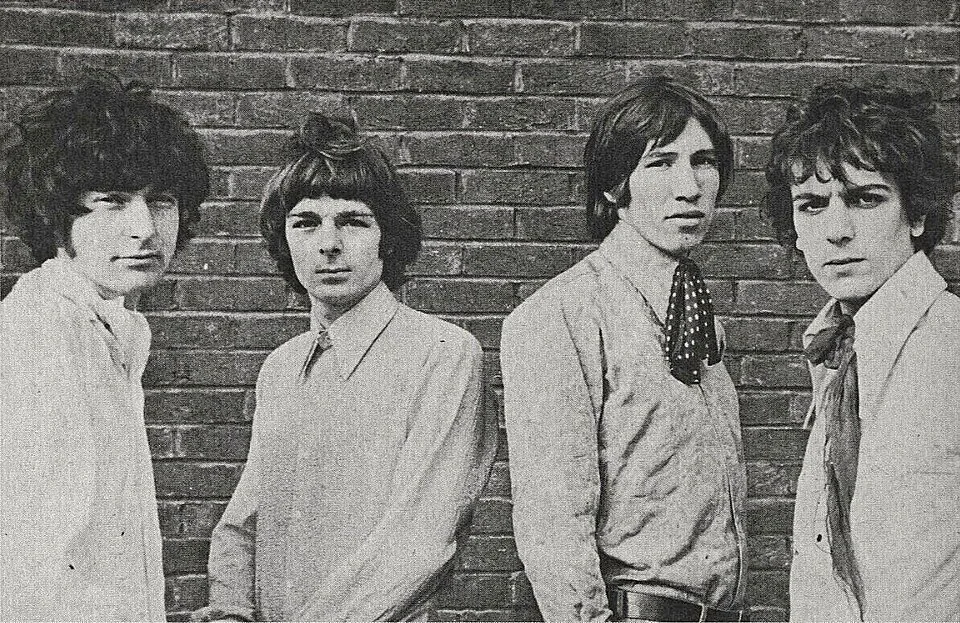
Pink Floyd formed in London in 1965.
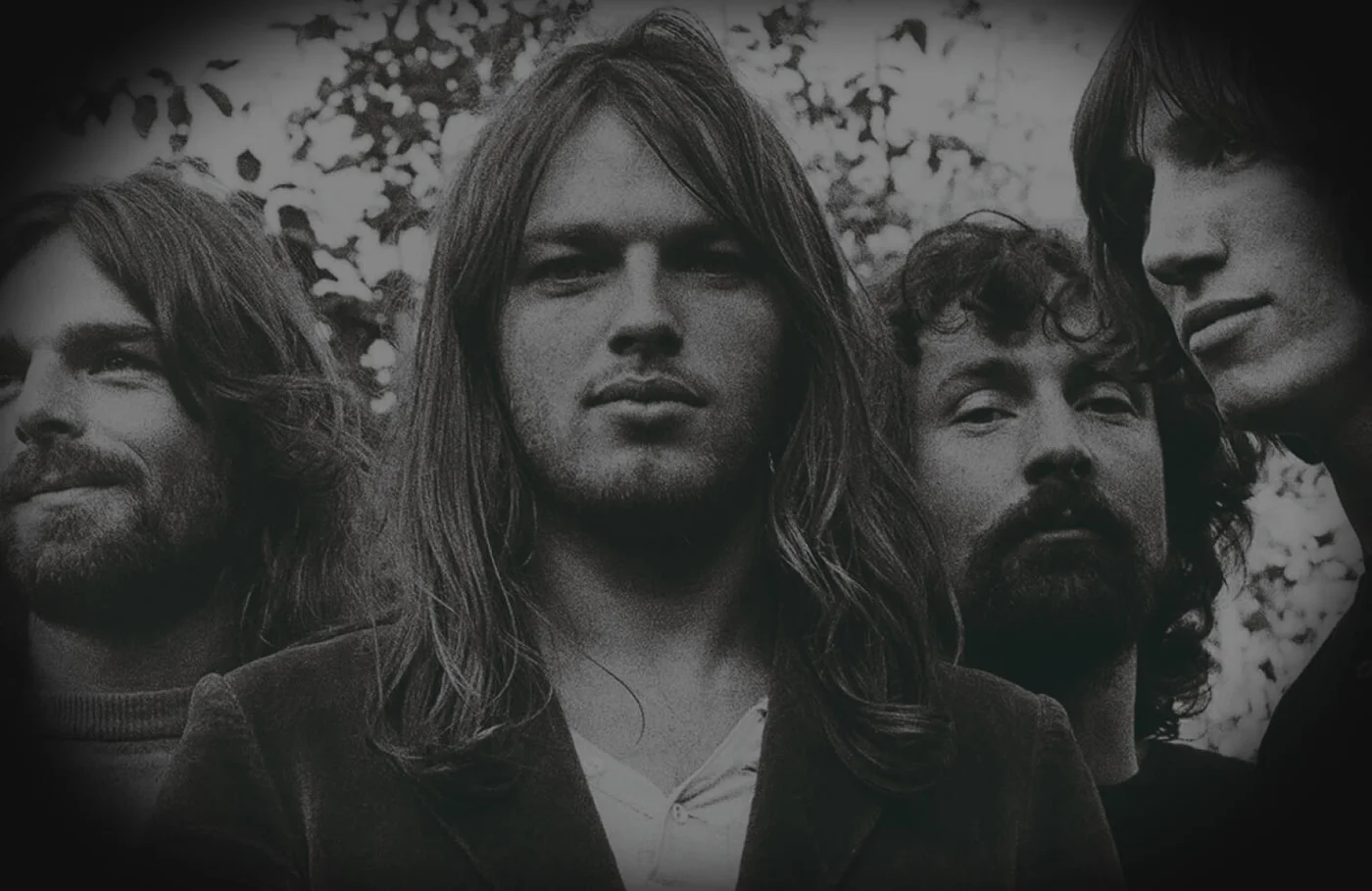
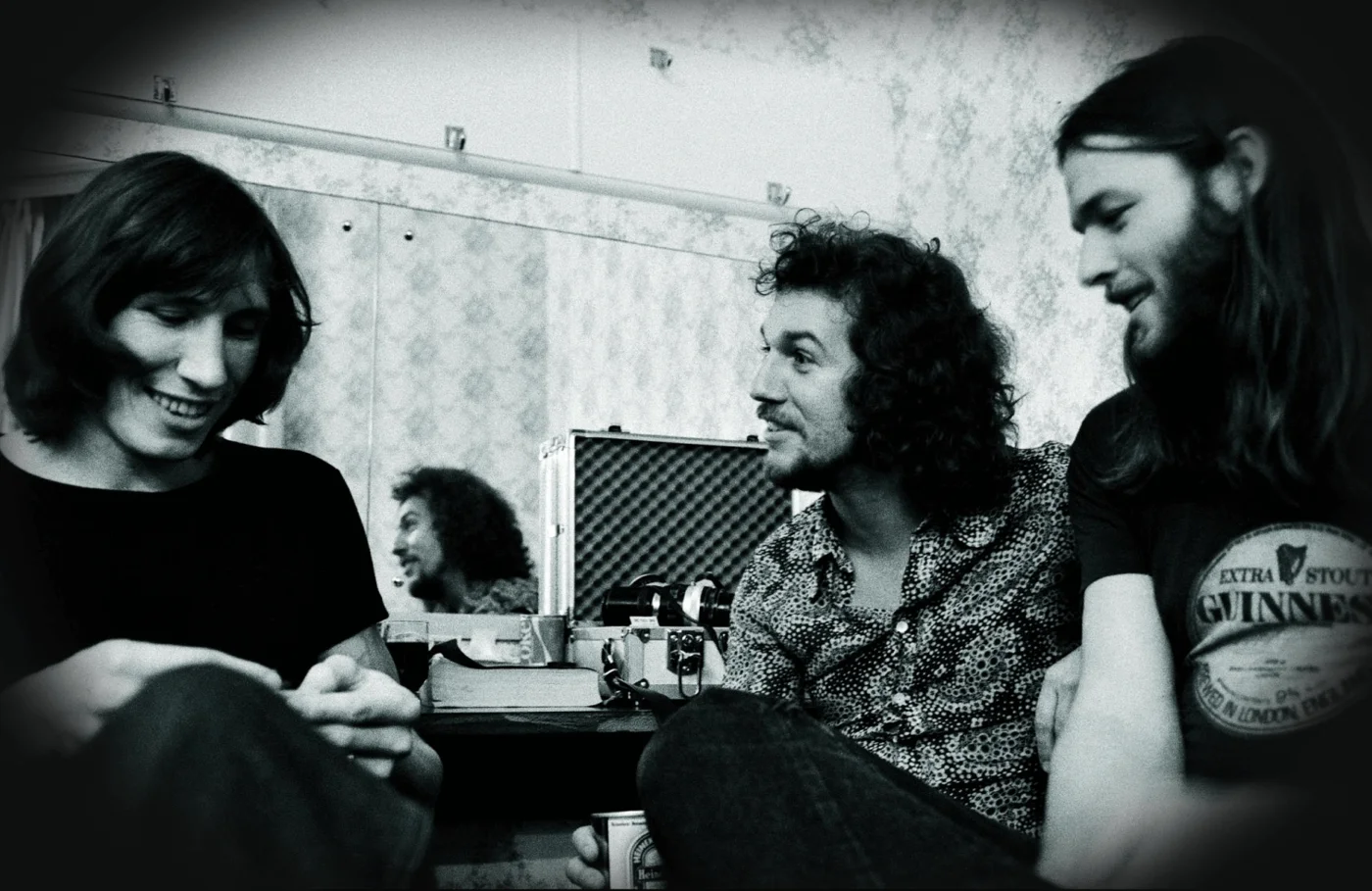

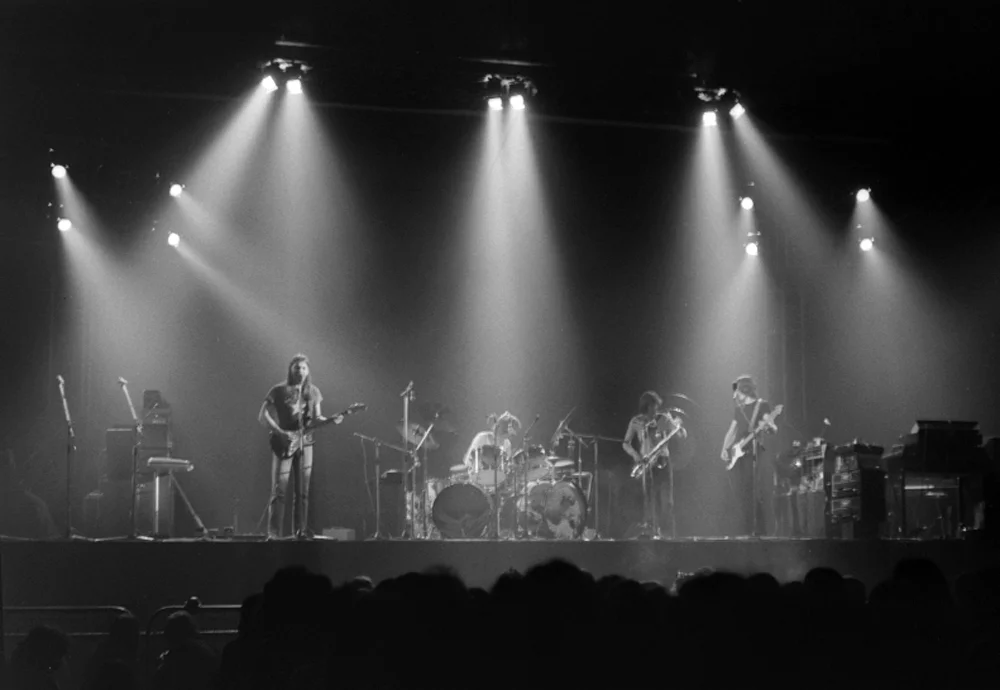
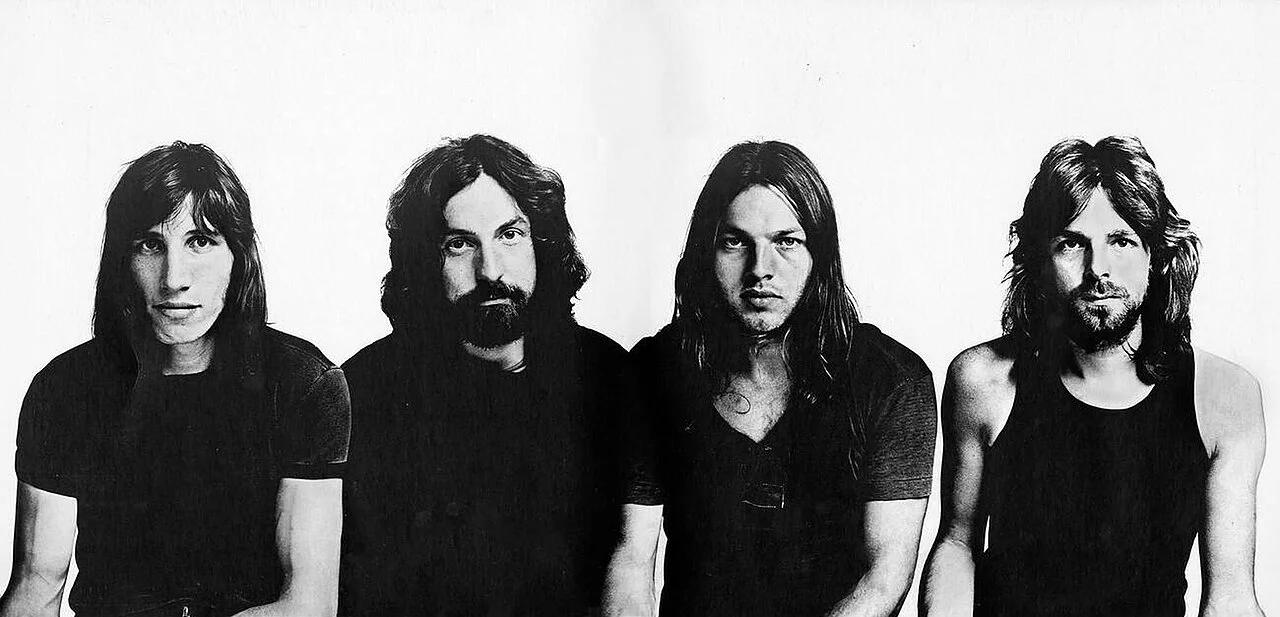
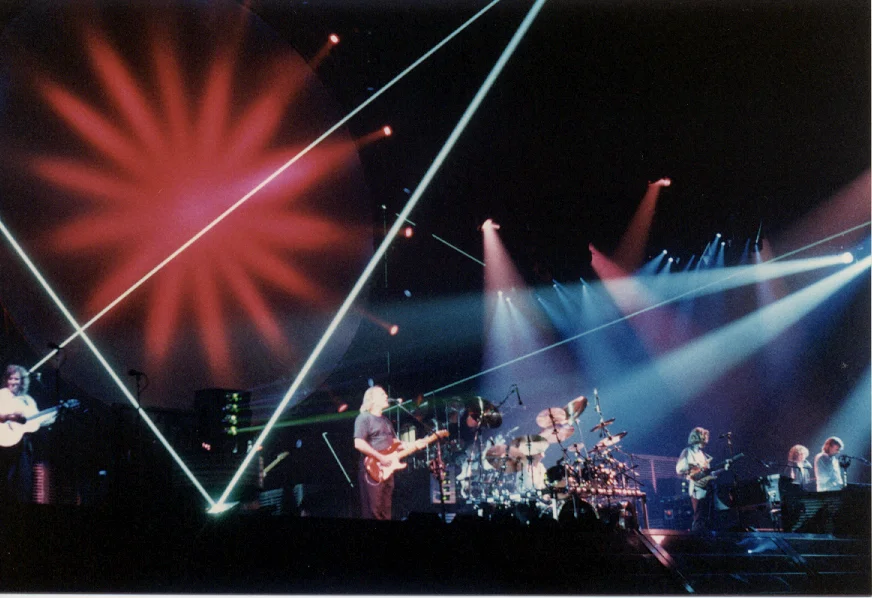
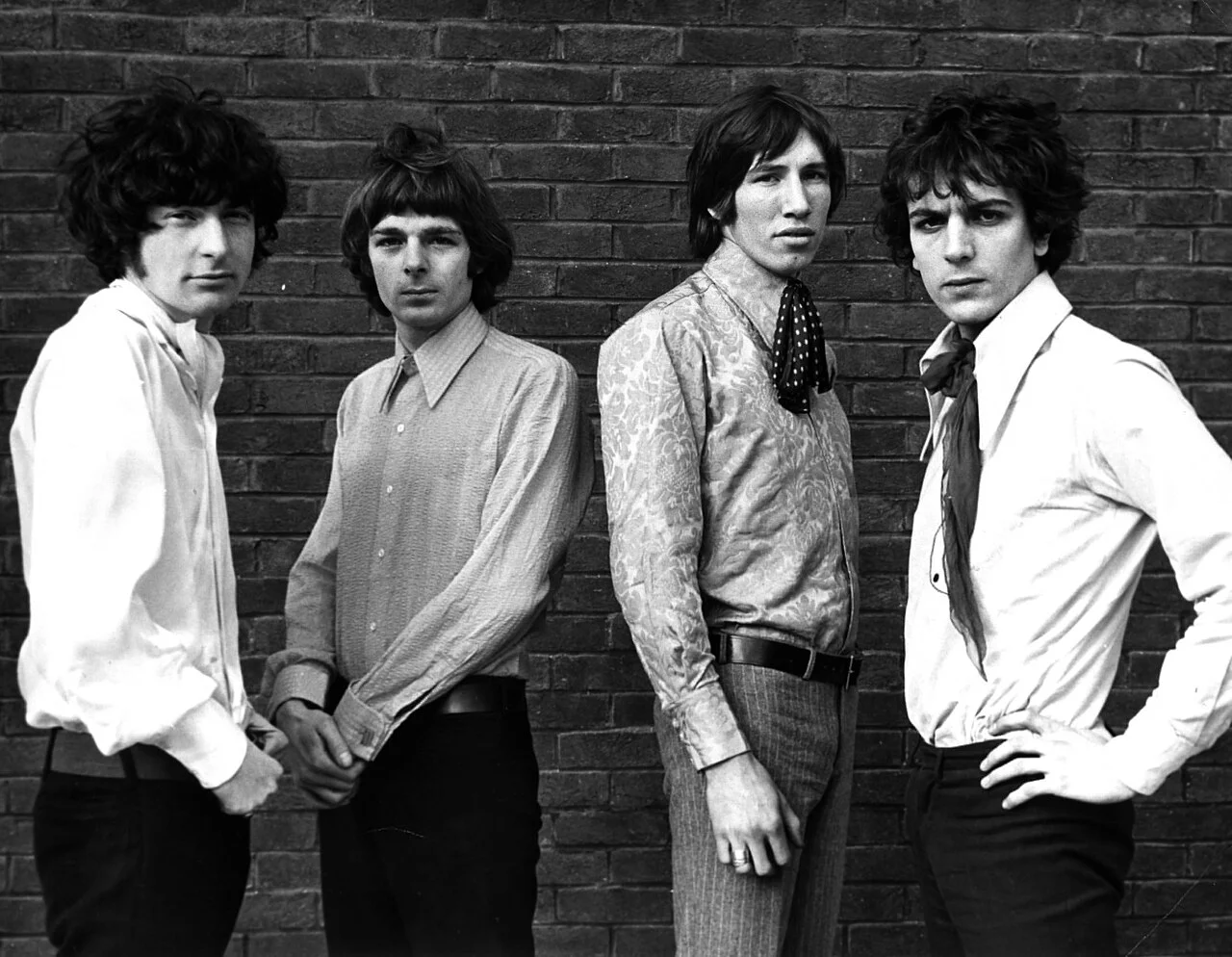
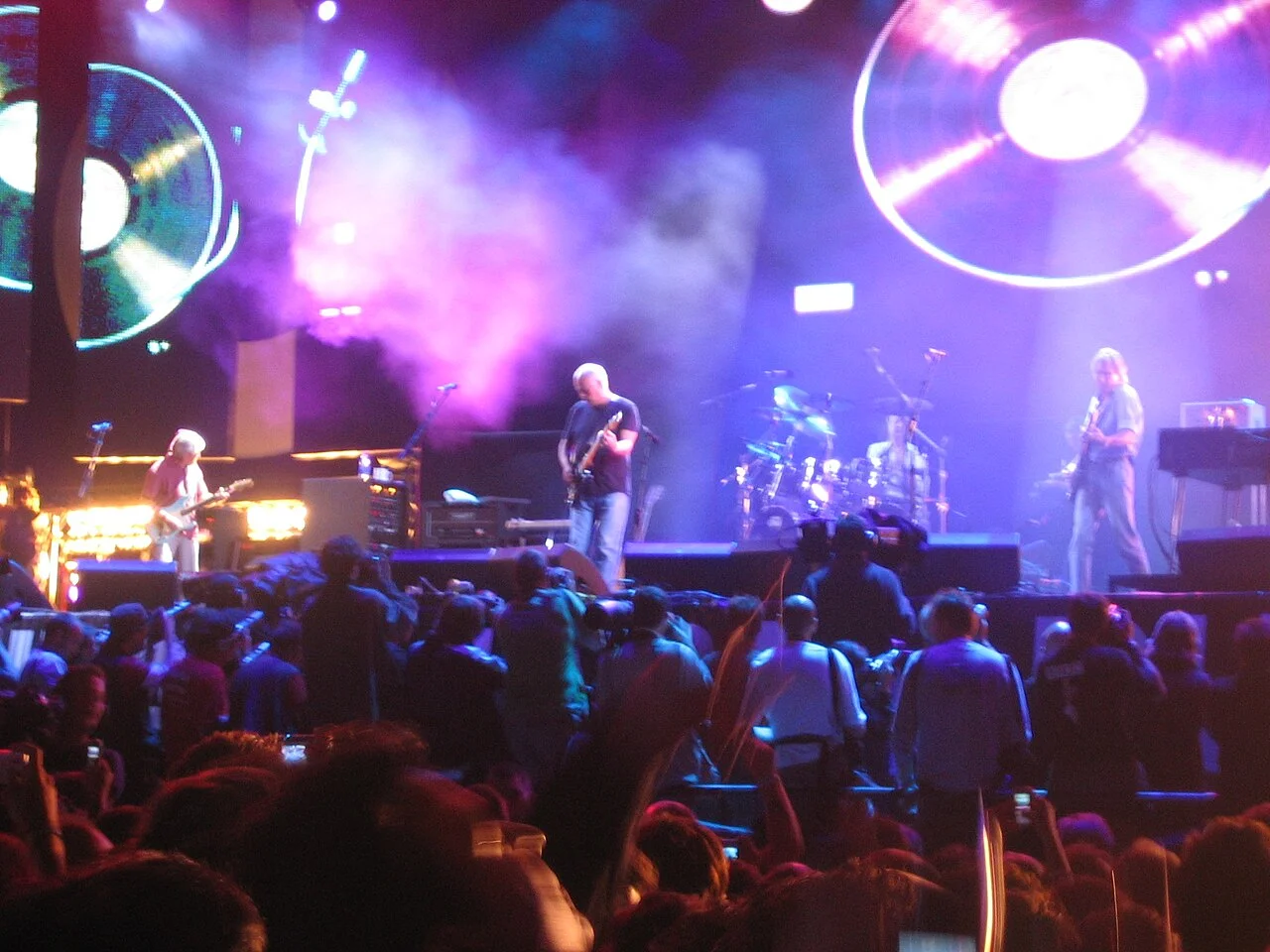
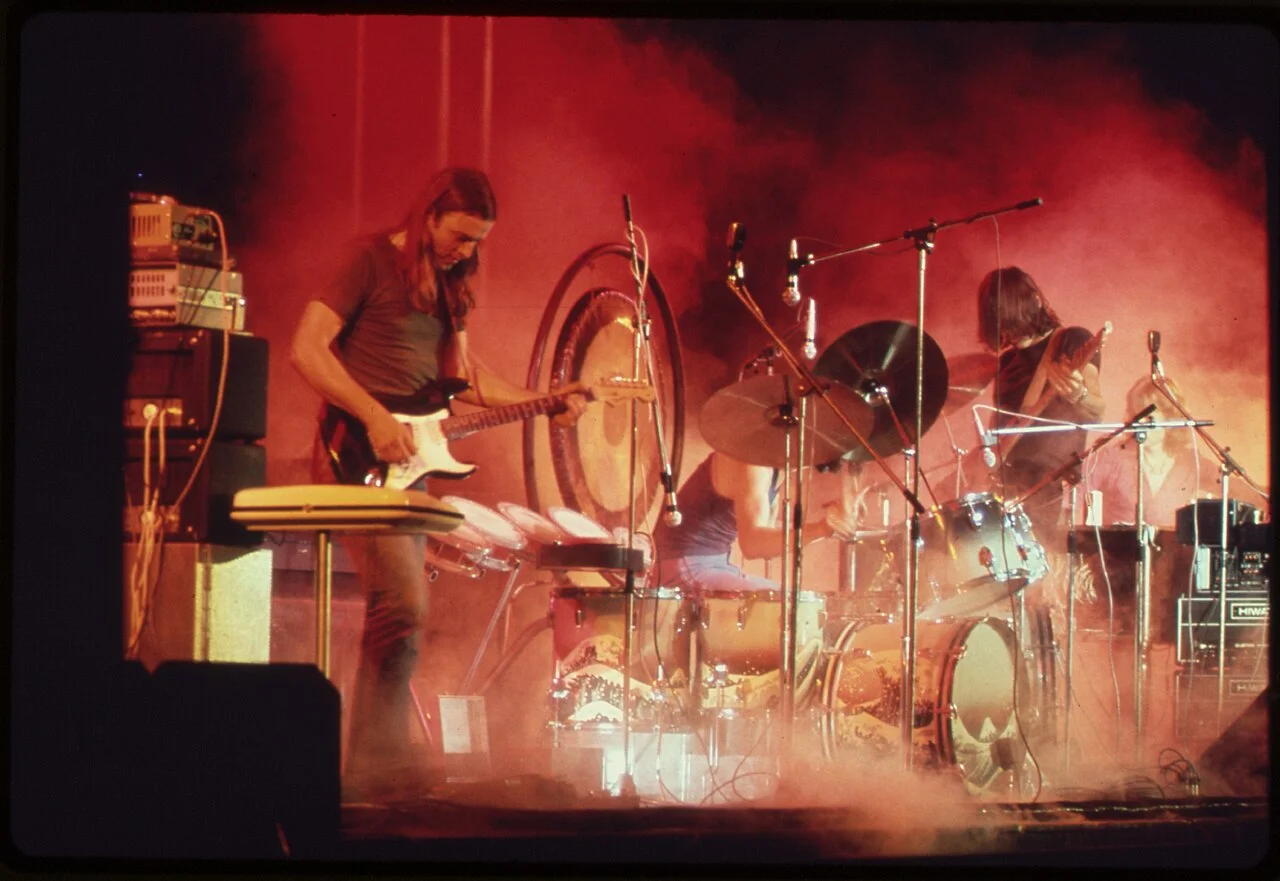
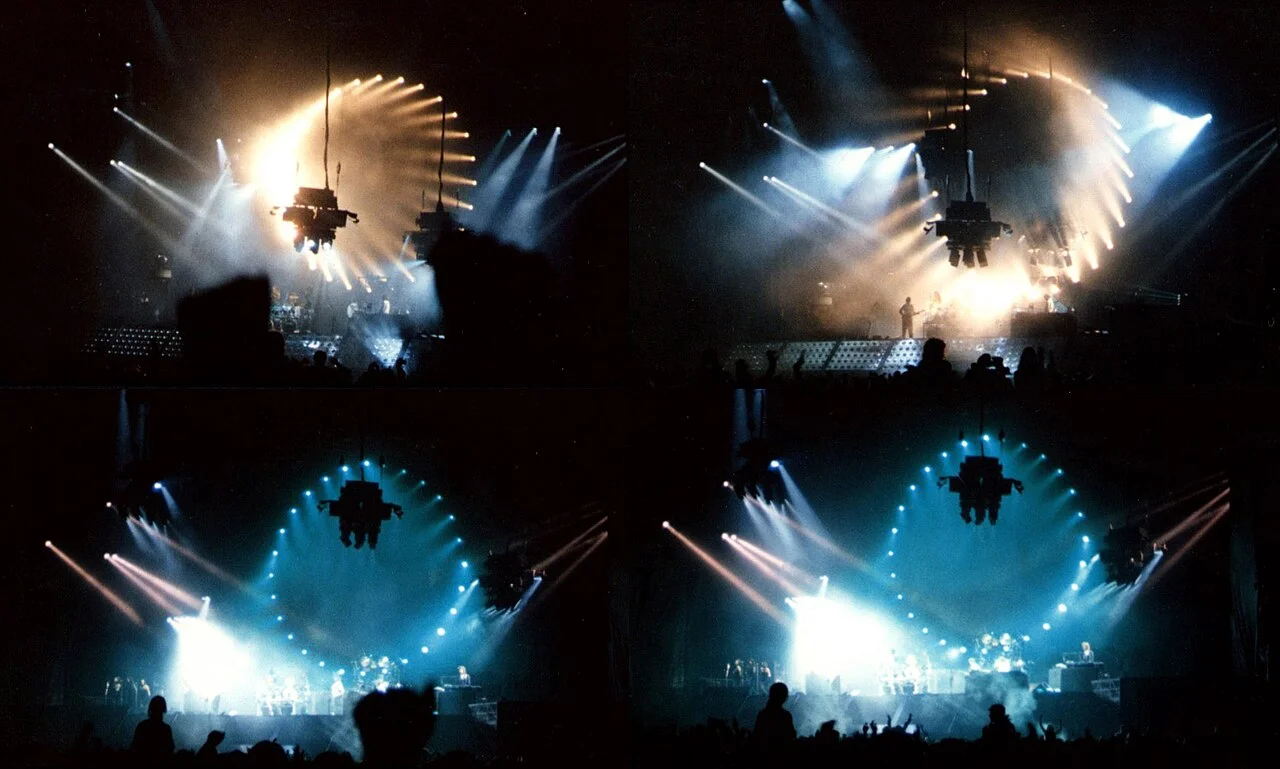
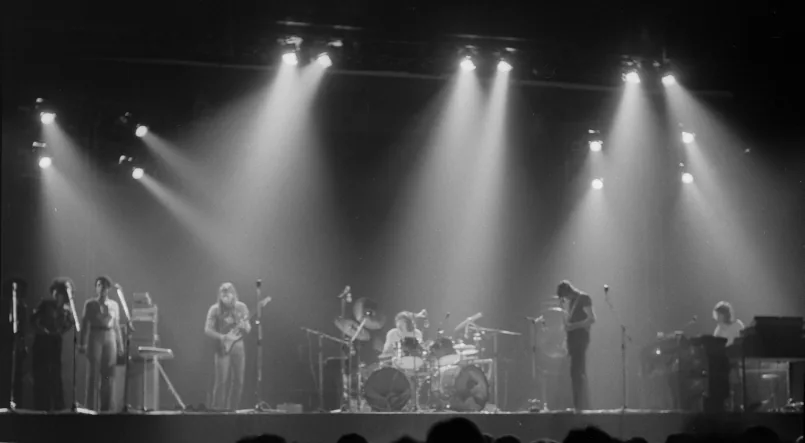
With Pink Floyd, a handful of unhurried notes can establish the mood of an entire piece. Guitar, keyboards, voices and environmental sounds gradually create a space in which silence matters as much as sound. Behind the familiar covers lie quite different records: early song-sized fantasies, extended musical journeys and albums that feel like one continuous story.
Pink Floyd formed in London in 1965. Syd Barrett shaped the early songs and the psychedelic world of The Piper at the Gates of Dawn (1967). David Gilmour joined during the transition of 1967–68; Barrett’s departure changed the balance of the group.
Meddle (1971) joined experimentation to the extended architecture of Echoes. The Dark Side of the Moon (1973), Wish You Were Here (1975), Animals (1977) and The Wall (1979) made sound, lyrics and album structure parts of one narrative. After Roger Waters left, A Momentary Lapse of Reason and The Division Bell opened another chapter.
Psychedelia, progressive and art rock overlap throughout this history. Studio construction matters, but so do the spaces between notes, Richard Wright’s keyboards, Nick Mason’s pulse and the changing relationship between the principal writers.
The changes make the catalogue worth revisiting without rushing. Early psychedelia reveals the roots of the experiments, while the 1970s recordings show those ideas taking on more concentrated album-length forms. Later work brings a different balance of voices and instruments. Studio and concert versions offer complementary experiences: one draws attention to carefully placed details, the other to the way familiar themes develop over time and fill a stage. Atom Heart Mother and Meddle also occupy the space between early psychedelia and the later album-length narratives. They make the transition feel gradual rather than a sharp division into before and after. An extended piece reveals how a shared instrumental theme takes shape and changes the music’s mood.