Uriah Heep - July Morning - Live at Wacken Open Air 2019

Open on YouTubeWackenTV
MUSIC JOURNAL
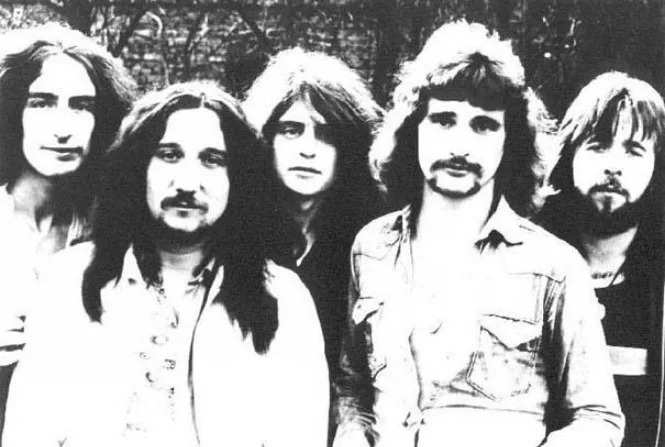
Uriah Heep grew out of the London band Spice in 1969.

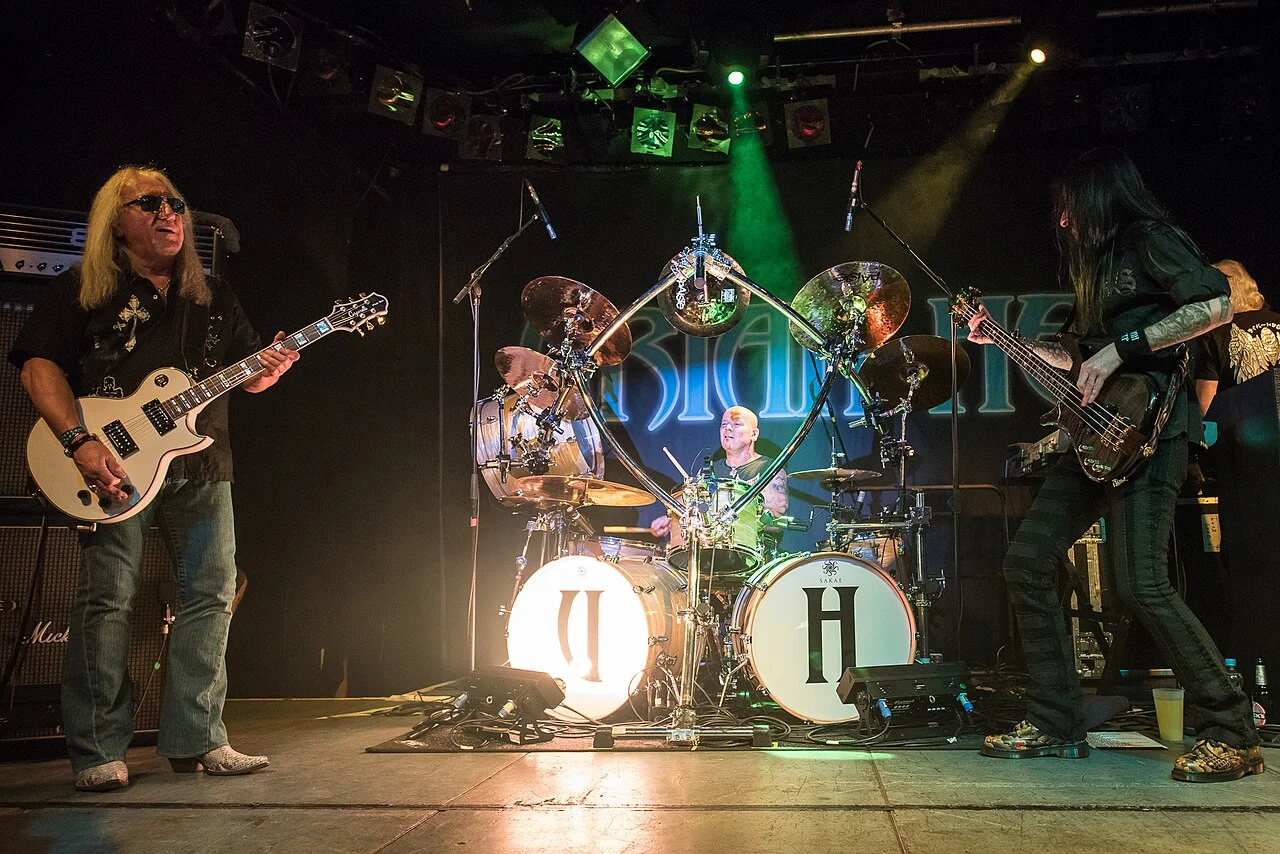
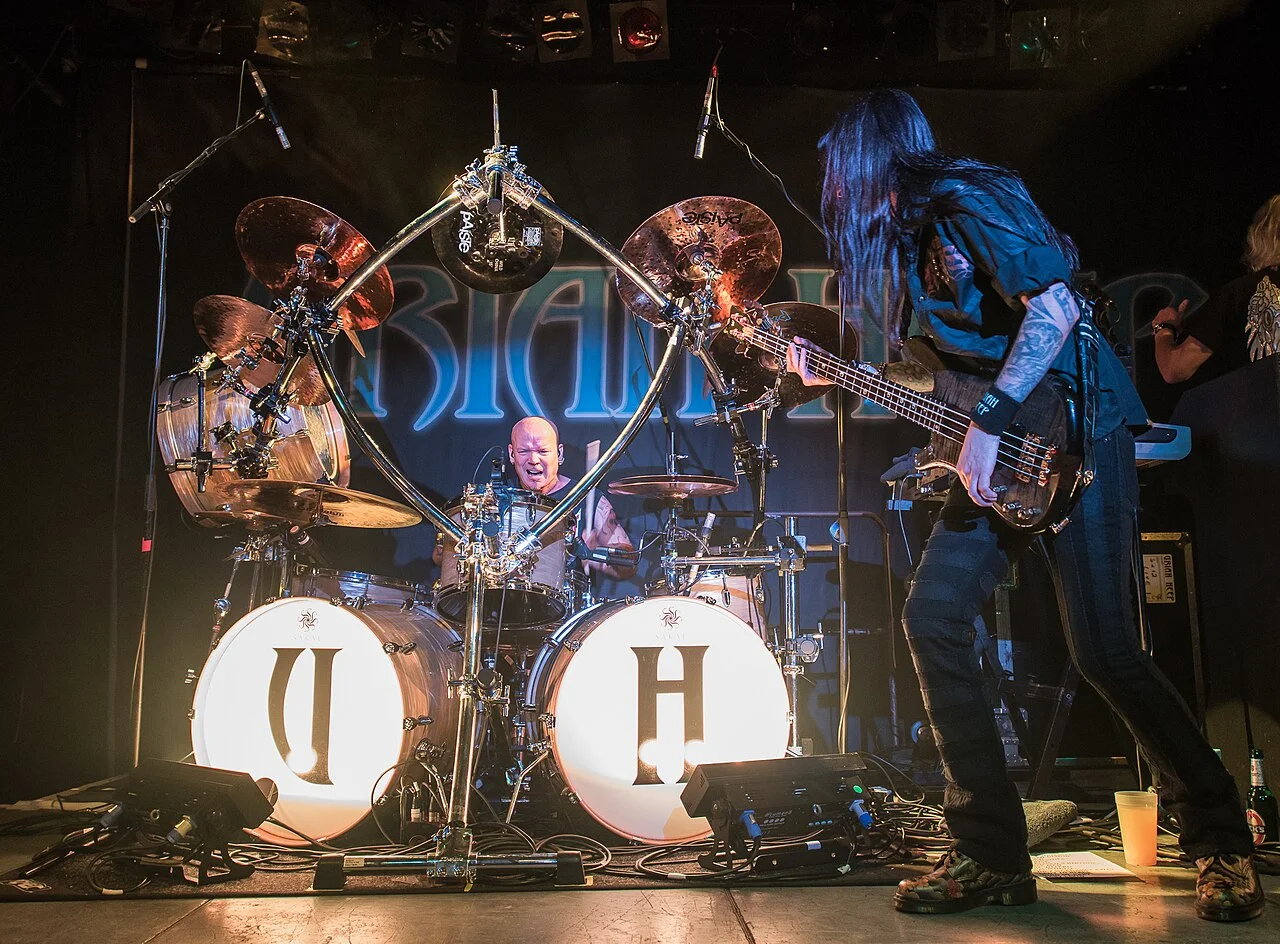

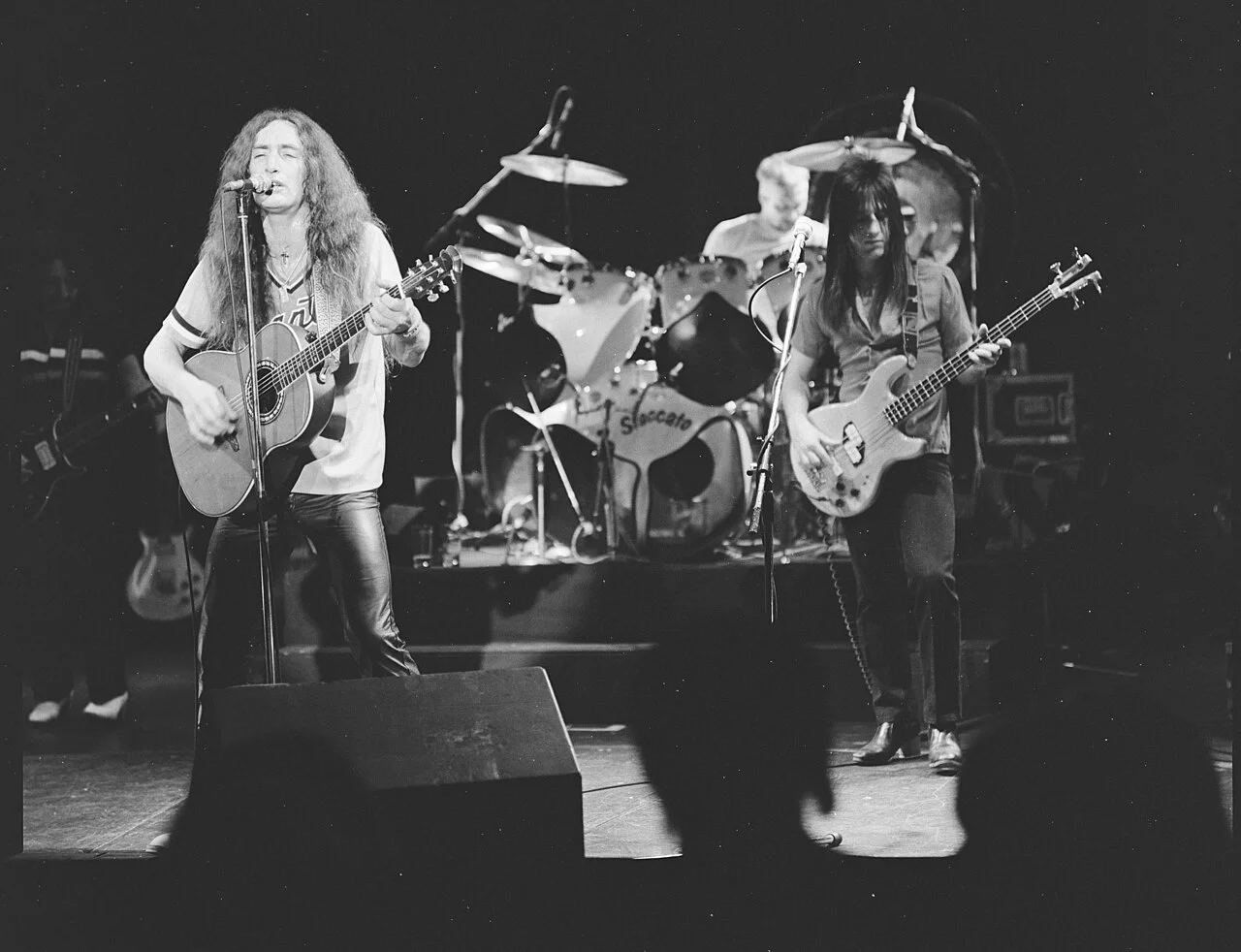
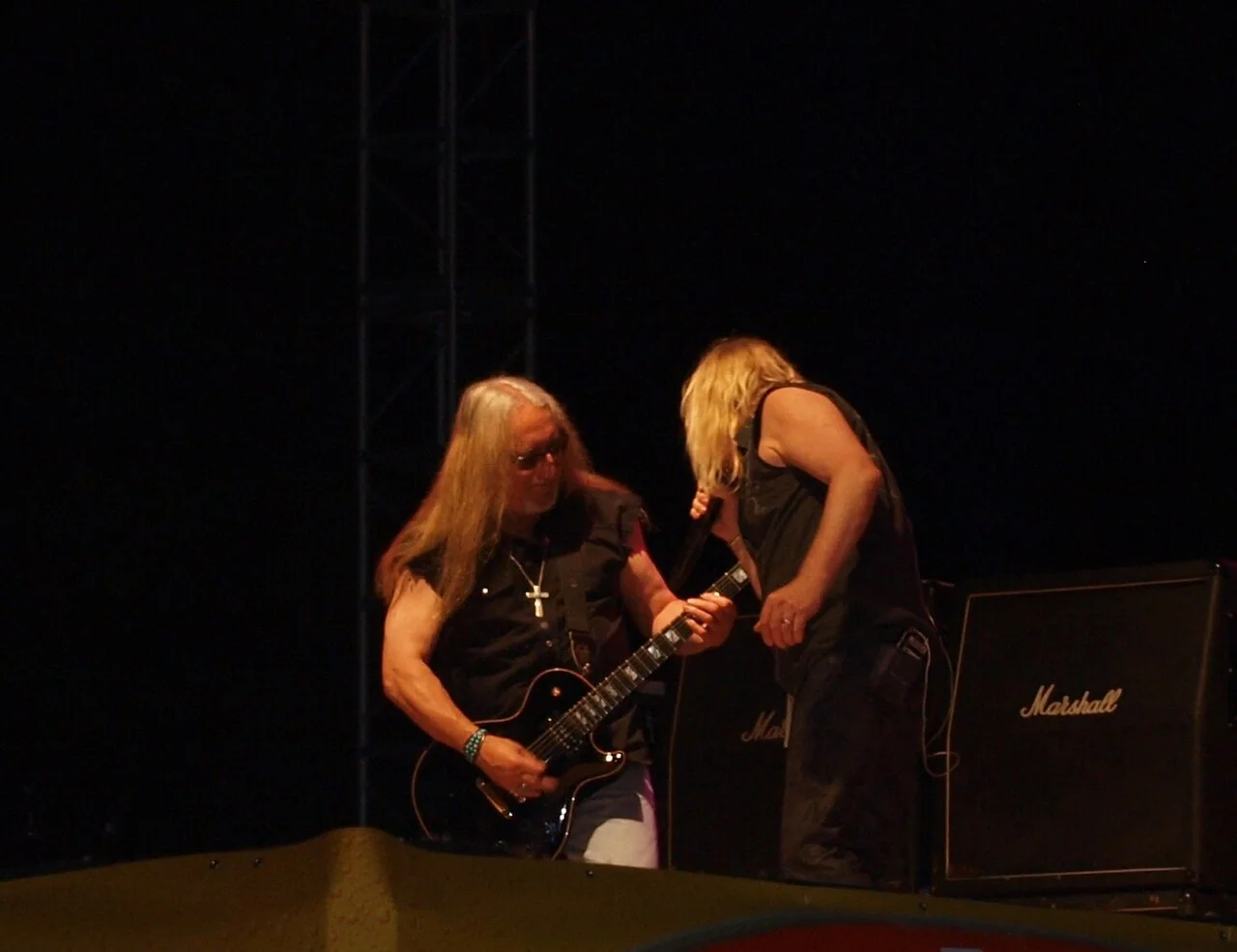




Uriah Heep give heavy guitar a strong melodic counterpart. Organ lines, layered harmonies and high vocals can lend even a dense riff an uplifting quality, while acoustic passages suggest a different distance and mood. This interaction explains more about the band than a single genre description applied to every recording.
Uriah Heep grew out of the London band Spice in 1969. David Byron’s voice, Mick Box’s guitar and Ken Hensley’s organ and writing shaped the early records. The 1970 debut was followed by Salisbury and Look at Yourself, including the extended July Morning.
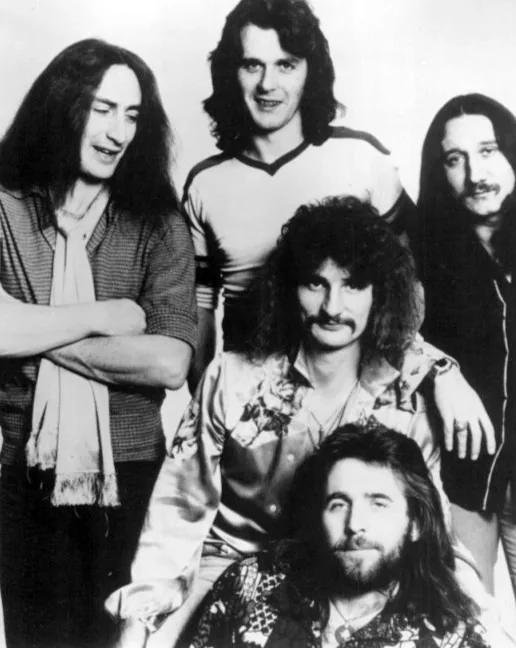
Demons and Wizards and The Magician’s Birthday, both from 1972, balanced heavy riffs with vocal harmonies and fantasy imagery. Changes of singer and rhythm section marked later decades; Bernie Shaw’s arrival in 1986 began another long chapter. Hard rock, progressive structures and occasional folk-like melodies run through the catalogue.
Salisbury and Look at Yourself show how early the band moved beyond the short song form. Demons and Wizards and The Magician’s Birthday connect that interest with vivid imagery and strong melodies. In the extended pieces, a vocal theme passes to the instruments before returning in another setting. These connections between heavier and quieter passages give the music much of its expressive range.
The early albums already combine these qualities in different ways, placing direct rock songs beside extended pieces and quieter melodies. The long subsequent history brought other voices and another instrumental balance. It is worth following in stages, with attention to line-ups and particular records. Official live albums add to the journey: familiar material on stage reveals continuity as well as changes that a track list alone cannot show.