
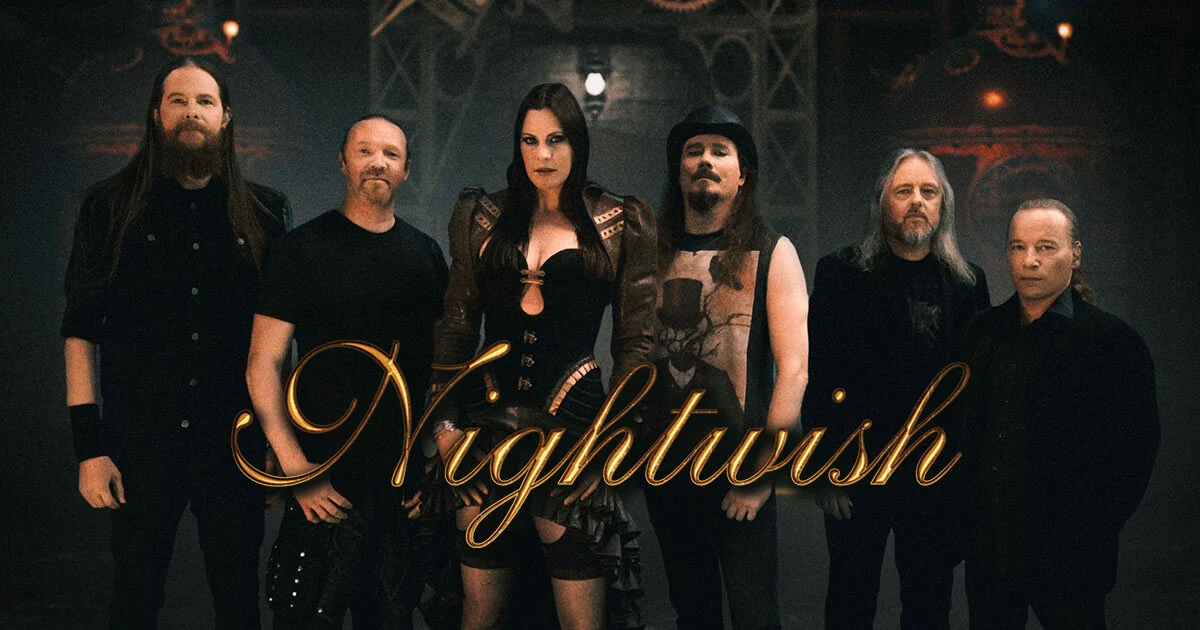
Nightwish - Ghost Love Score (WACKEN 2013)
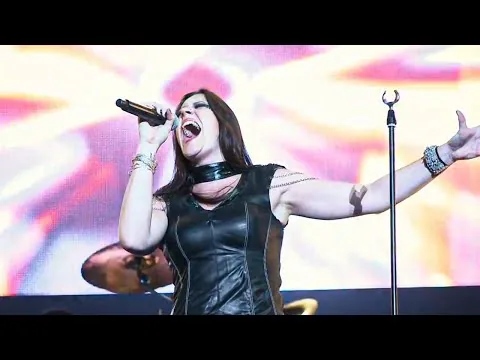
Open on YouTubeNightwish
MUSIC JOURNAL
Nightwish began in Kitee, Finland, in 1996, around Tuomas Holopainen, Emppu Vuorinen and singer Tarja Turunen.
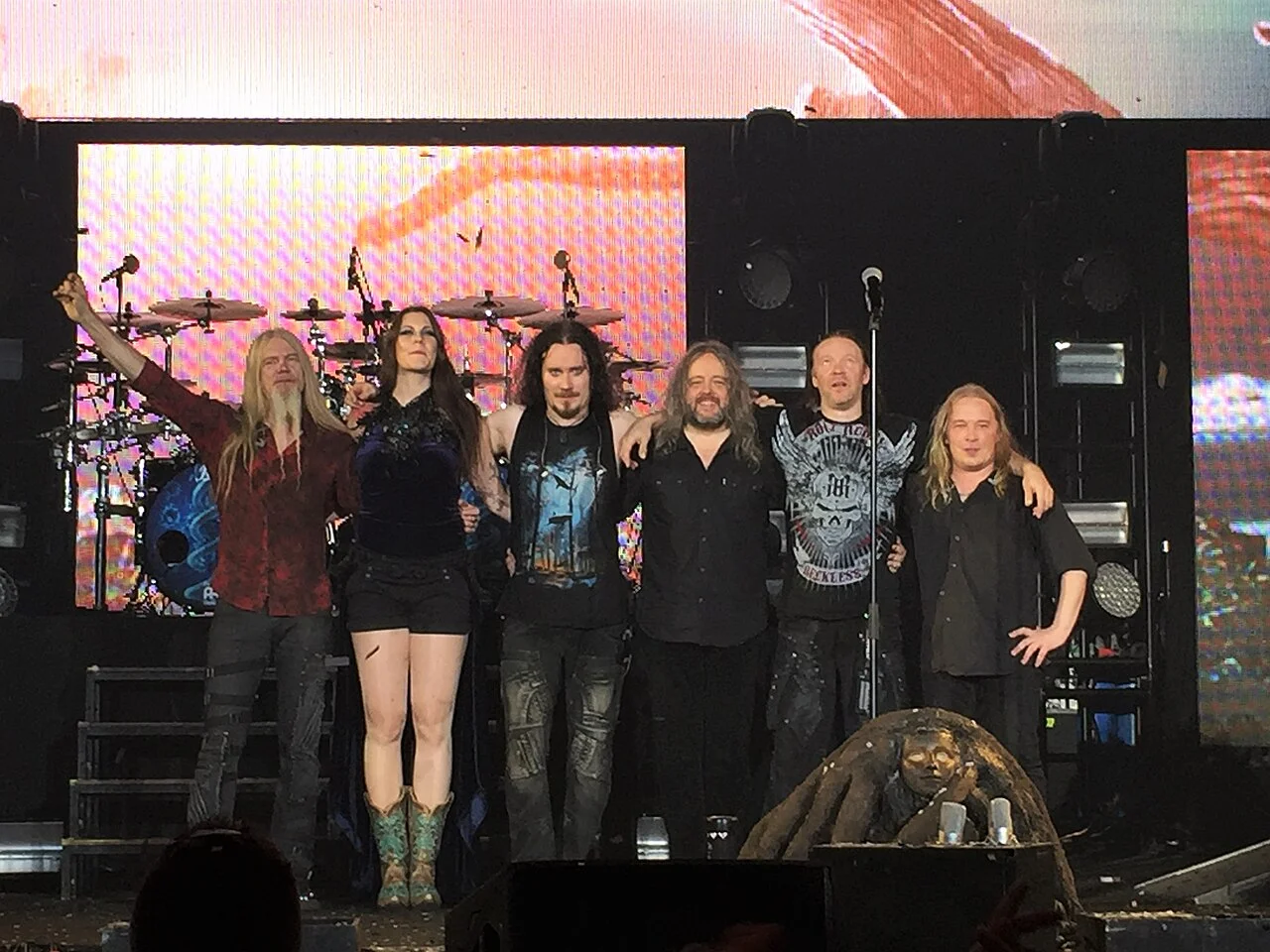
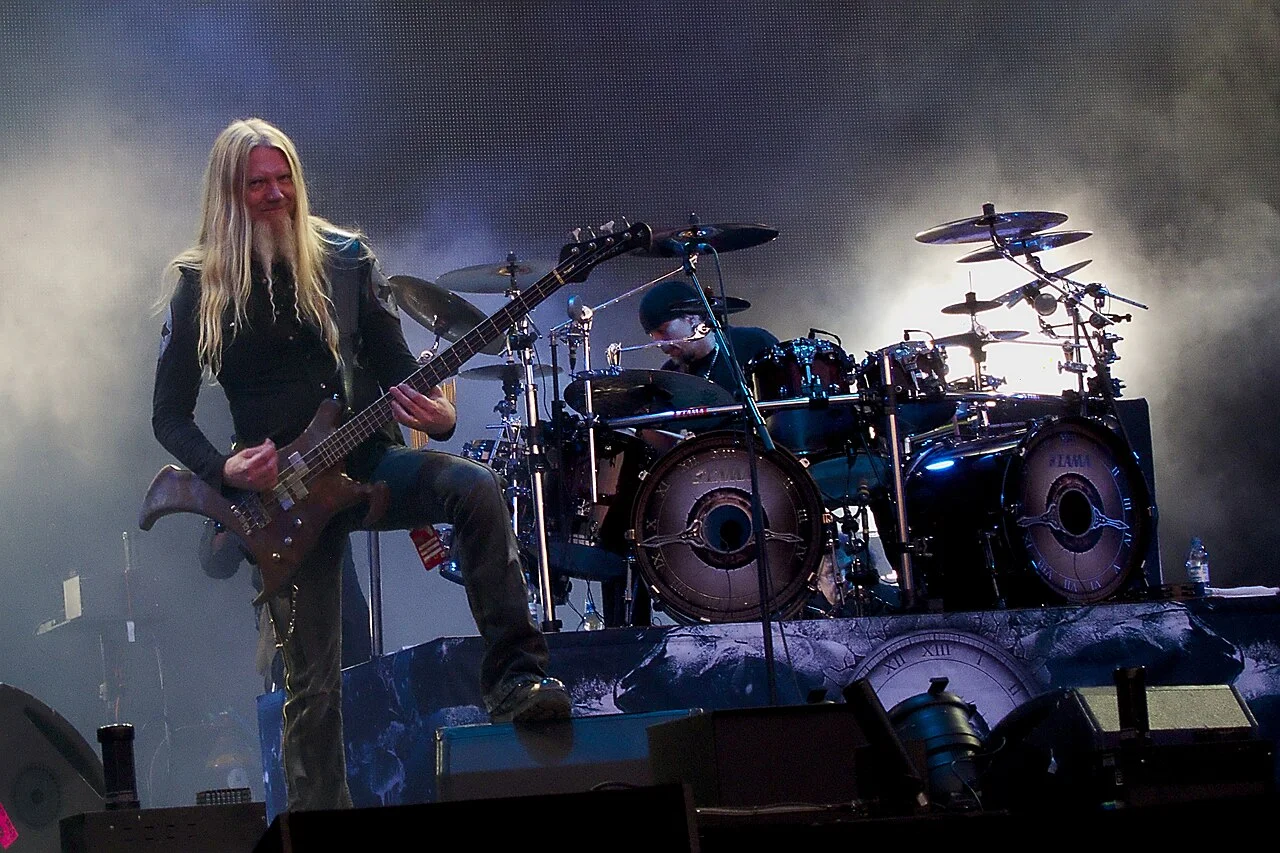
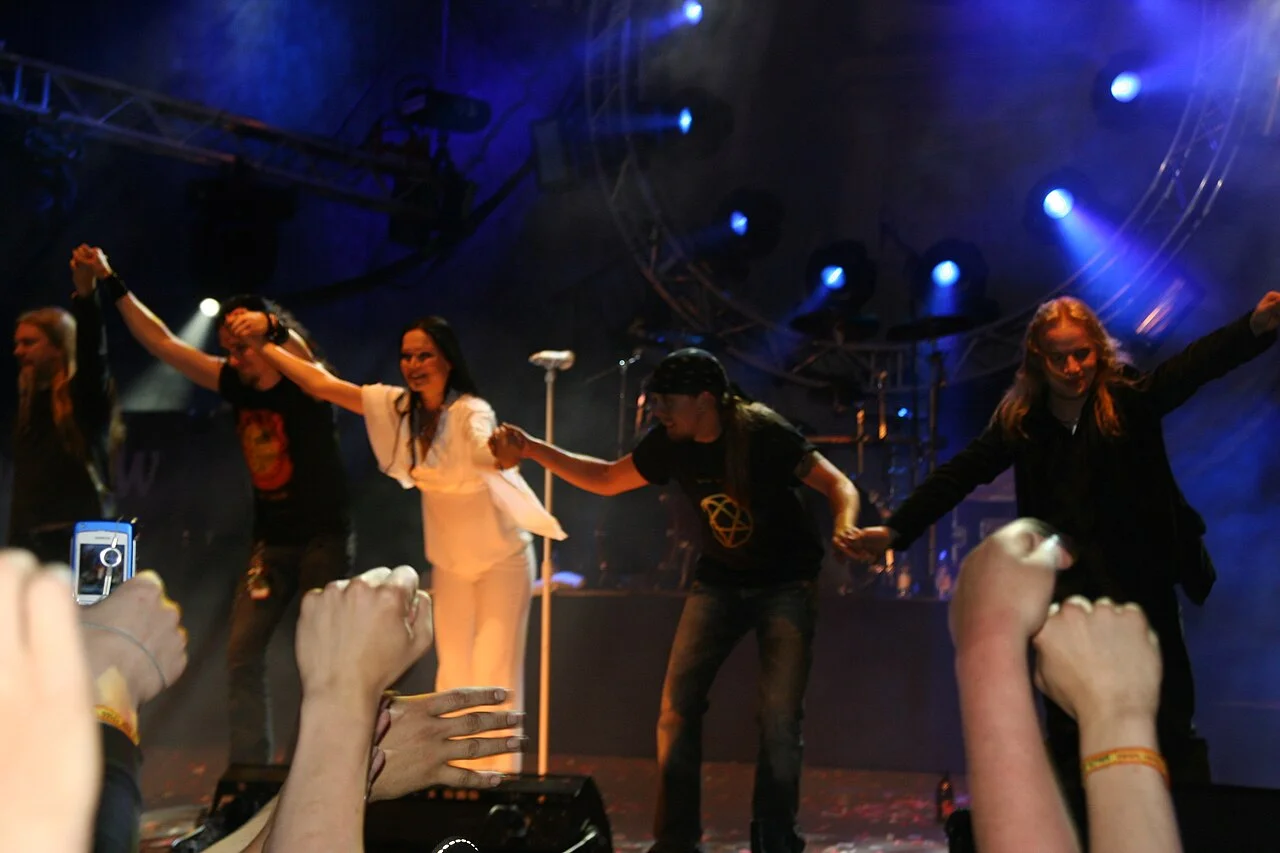
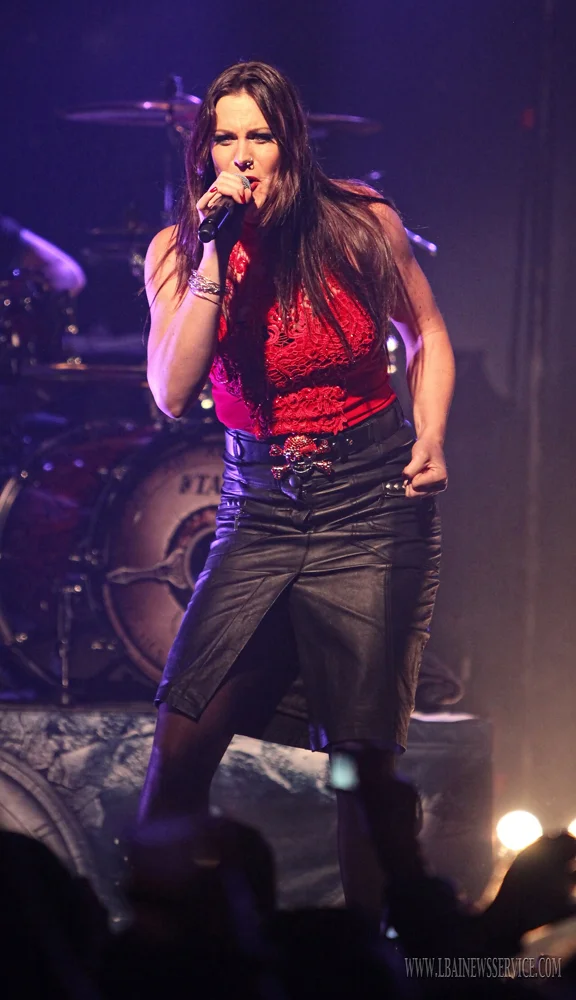
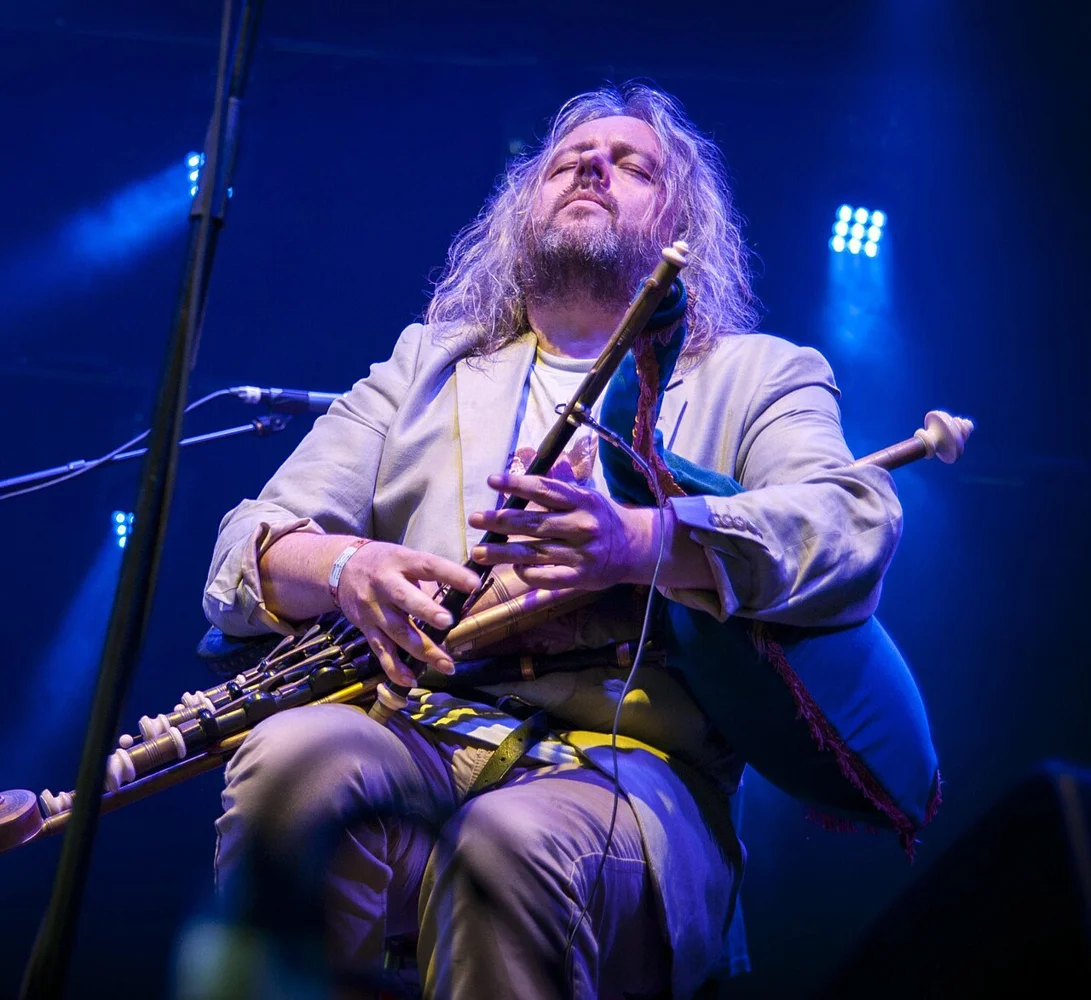
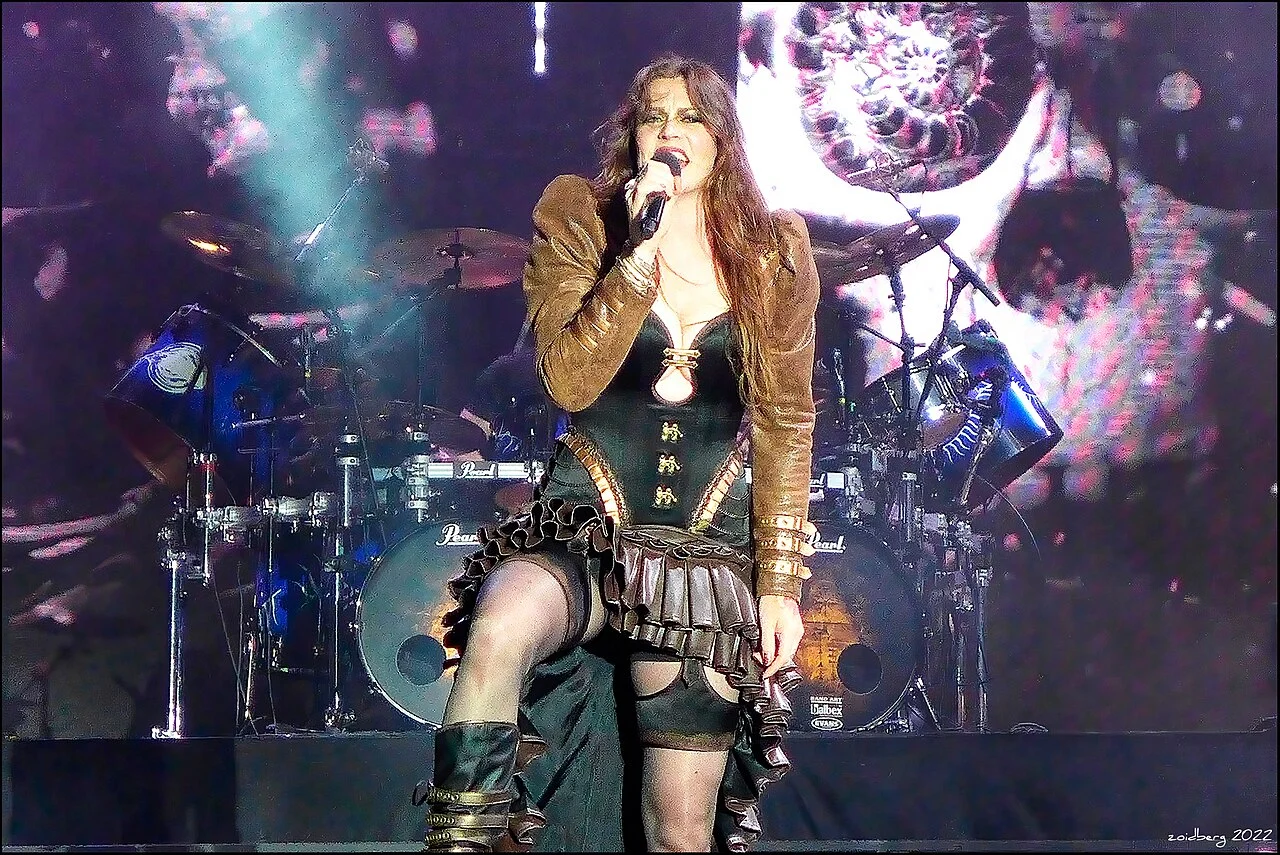
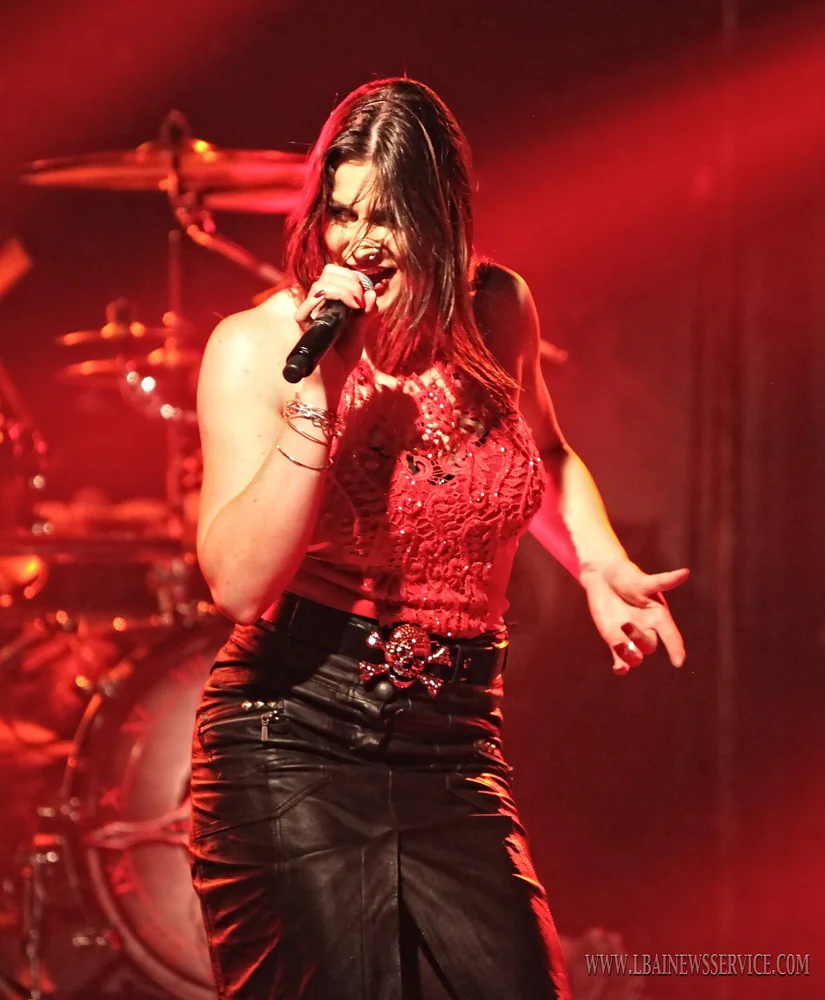
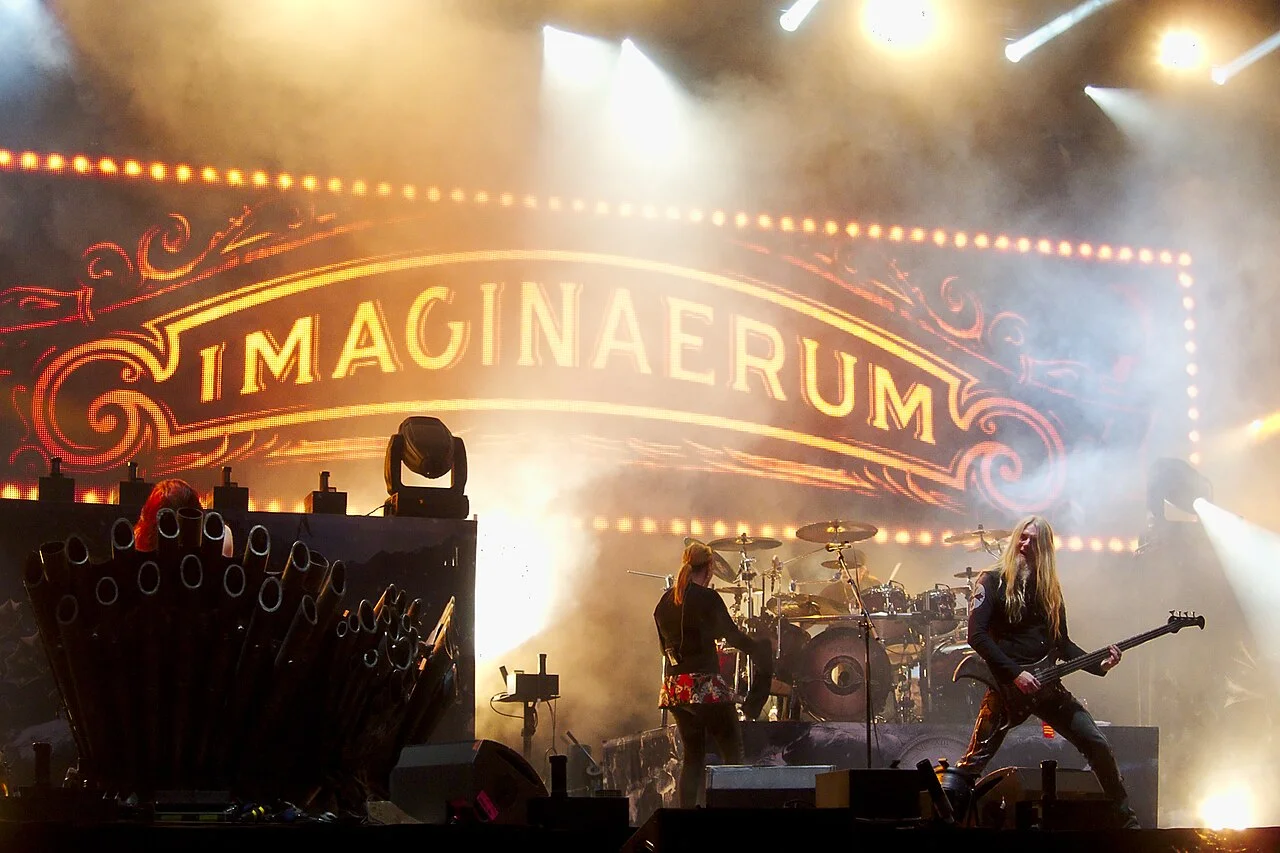
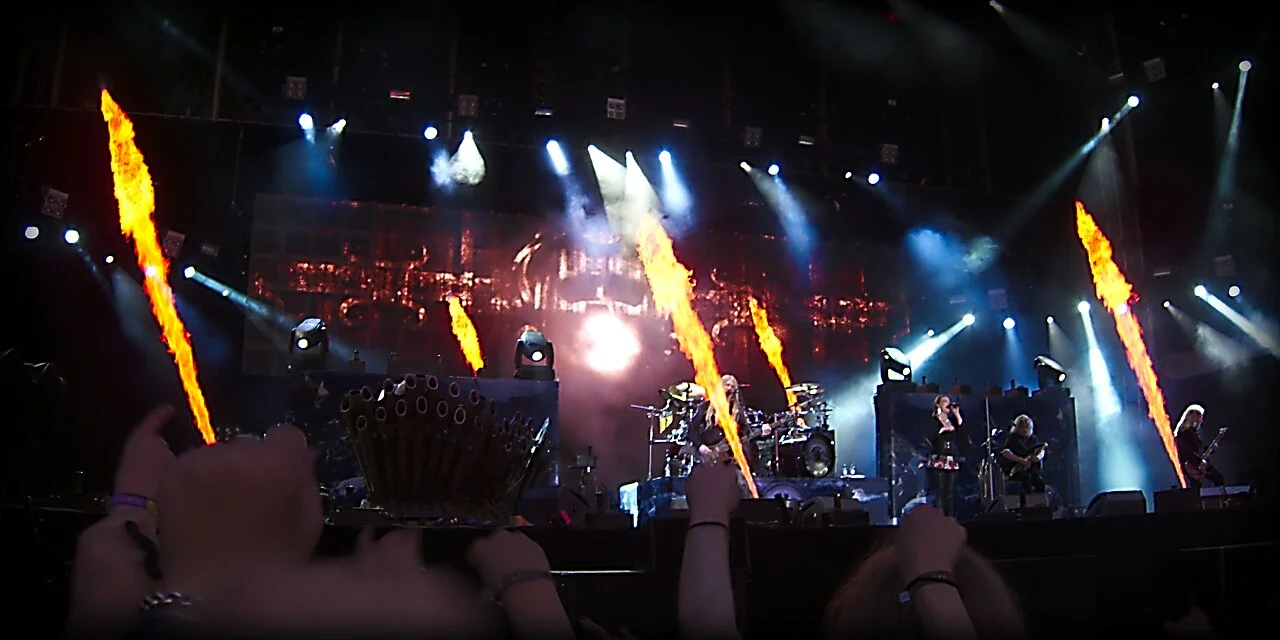
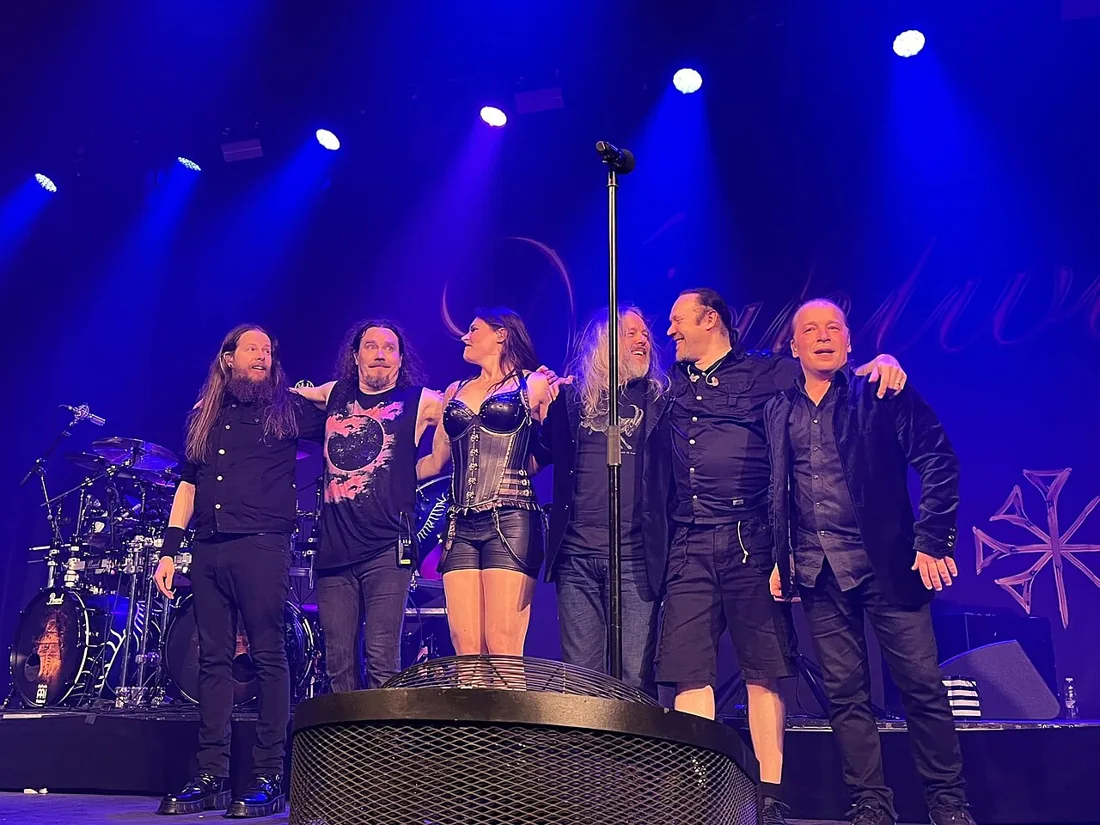
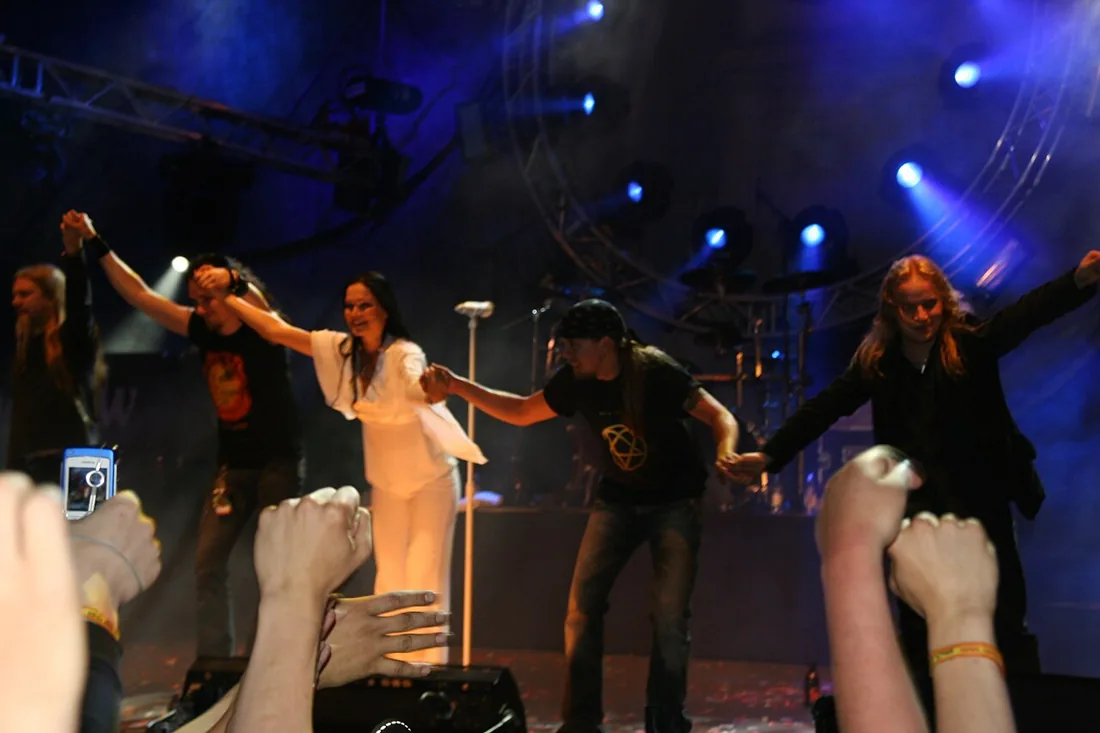
A large orchestral gesture in Nightwish often begins with a small melody. It may first arrive almost as a whisper, then return with guitars, choir and drums. The change of scale is part of the attraction. A singer shapes that setting profoundly, which makes it worth hearing the vocal periods distinctly rather than treating them as one continuous era.
Nightwish began in Kitee, Finland, in 1996, around Tuomas Holopainen, Emppu Vuorinen and singer Tarja Turunen. The initial acoustic idea developed into a combination of metal, keyboards and classically trained voice. Oceanborn, Wishmaster and Century Child established the early period; Once (2004) expanded its orchestral scale.
Turunen’s chapter ended in 2005. Anette Olzon sang on Dark Passion Play (2007) and Imaginaerum (2011), bringing another vocal character. Floor Jansen first joined the tour in 2012 and became a full member in 2013; Endless Forms Most Beautiful (2015) introduced her on a studio album.

Yesterwynde (2024) belongs to that later recorded period. Symphonic and power metal, folk instruments, film-like arrangements and quieter passages all contribute to the music. The recordings here preserve the differences between vocal eras.
Oceanborn and Wishmaster bring the early relationship between voice and keyboards into focus, while Once opens out the orchestral setting. Dark Passion Play and Imaginaerum distribute those musical roles differently. Familiar songs performed live with Floor add another perspective. Keeping several eras in the selection allows the same melody to reveal different performing personalities, rather than treating every version as interchangeable.
The Tarja recordings draw on the interaction between classically trained singing and a metal ensemble; Anette and Floor bring different colours and ways of delivering a melody. Holopainen’s writing connects those line-ups through its interest in expansive, evocative music. Live albums allow the changes to be followed through familiar songs. The quieter passages deserve attention alongside the grand finales: they give the contrasts much of their space and emotional weight.