

Paper Plane - Status Quo
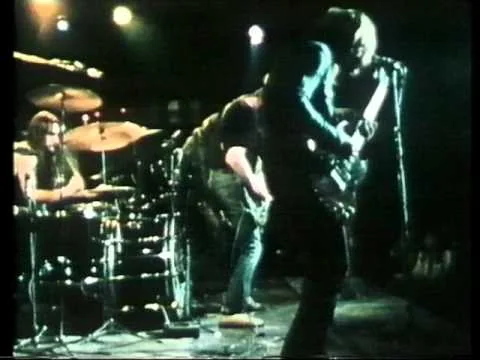
Open on YouTubeOfficialStatusQuo
MUSIC JOURNAL
Status Quo’s roots go back to Francis Rossi and Alan Lancaster’s school band in 1962.
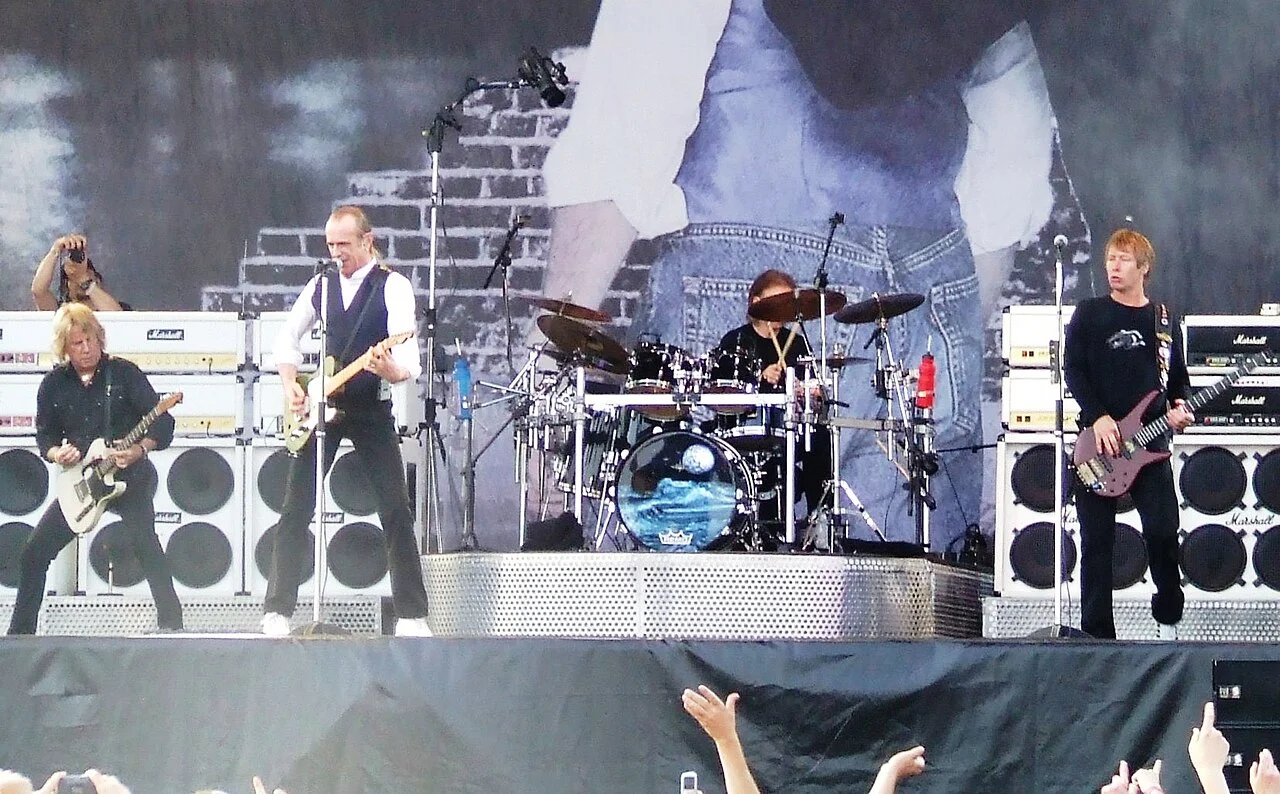
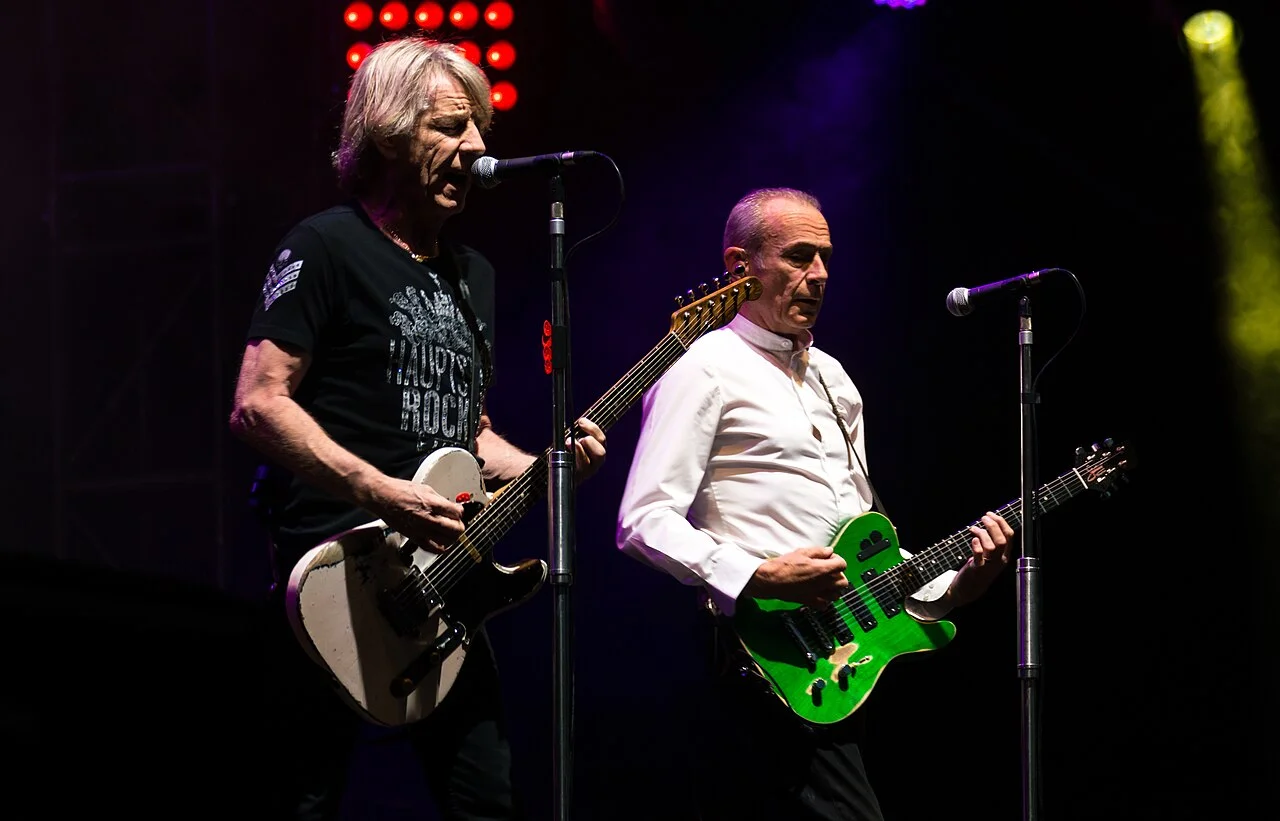







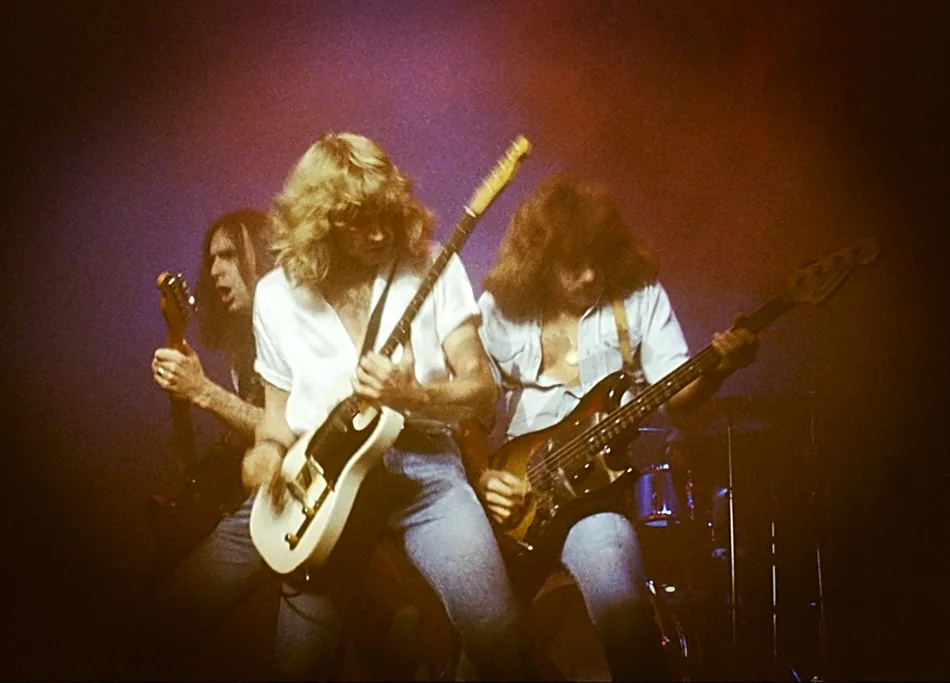
Much of Status Quo depends on the way an apparently simple rhythmic pattern is played. Guitars pick up one another’s phrases, bass and drums sustain the movement and the song acquires an immediate energy. Small differences can be easy to miss. Following the albums makes changes in density, mood and playing style more apparent.
Status Quo’s roots go back to Francis Rossi and Alan Lancaster’s school band in 1962. The Status Quo name arrived in 1967; Pictures of Matchstick Men (1968) belongs to the psychedelic-pop beginning, before a decisive turn toward guitar-driven boogie.
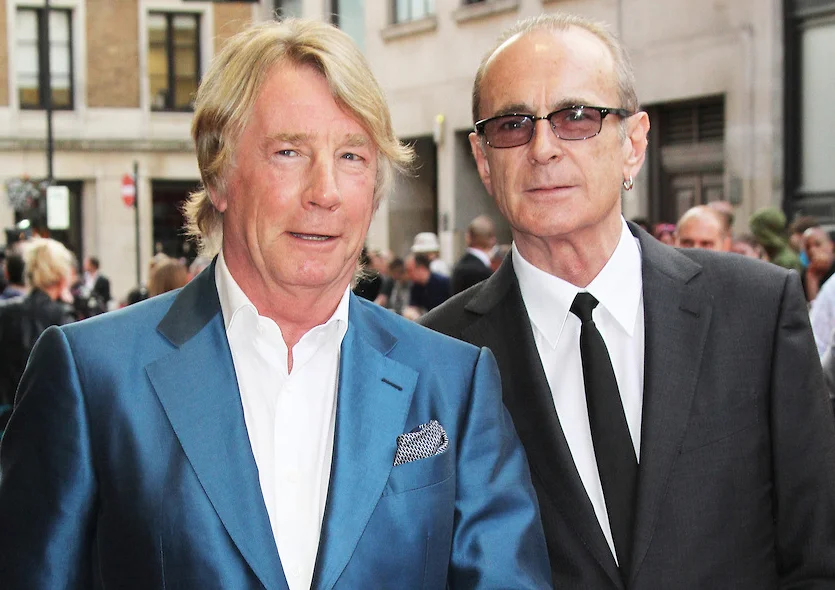
Piledriver (1972), Hello! and Quo established the heavier, direct sound associated with Rossi, Rick Parfitt, Lancaster and John Coghlan. Rockin’ All Over the World and Whatever You Want expanded its audience later in the decade. Subsequent line-ups and records continued the story, but the contrast between the early psychedelic songs and the rhythmic 1970s core is particularly striking.
The early psychedelic material adds an unexpected perspective: the familiar boogie approach did not arrive fully formed. The 1970s recordings bring it into focus, while later work shows how the band dealt with an established identity. Concert albums offer a direct sense of the ensemble in motion. Live performance makes the small rhythmic responses audible, showing how the seemingly simple foundation comes to life each time.